Evolving Foundations of Contact Center Excellence
The modern contact center operates as the heartbeat of customer connection. Every call, message, and inquiry shapes a brand’s reputation. What once relied on manual coordination now thrives on structured digital intelligence. Support systems have evolved into strategic assets that link technology, analytics, and empathy. The result is an environment where efficiency meets understanding.
As industries grow more dependent on real-time communication, contact centers face higher expectations. Clients demand immediate resolutions, clear explanations, and personalized attention. Traditional infrastructures struggle to manage such pressure. Modern support systems resolve this challenge by combining automation and human expertise within one adaptive network.
Artificial intelligence plays a crucial role in this transformation. Intelligent tools monitor inquiries, prioritize urgent issues, and predict client behavior based on previous interactions. When these insights reach agents instantly, responses become smarter and faster. Managers gain visibility into every operational layer, workload balance, agent performance, and client satisfaction, without waiting for manual reports.

The evolution from reactive service to proactive support marks a turning point. Contact centers no longer serve only as customer complaint lines. They are now strategic platforms for insight generation, relationship building, and continuous improvement. Through PNCAi’s digital frameworks, organizations develop systems that listen intelligently, act quickly, and adapt constantly. The goal is no longer just to answer calls, it is to enhance every client moment.
Integrated Operations Through Enhanced Services
Operational success depends on how efficiently a contact center unifies its systems. In earlier models, separate tools managed scheduling, communication, and analytics. This disjointed structure created delays, errors, and frustration. Modern support systems solve these problems by integrating services that operate seamlessly under one platform.
Unified services combine customer data, case management, and communication channels into a single interface. When an agent handles a call or chat, all relevant history appears immediately. The system tracks previous interactions, allowing staff to personalize responses. These connected services improve first-contact resolution rates and reduce repetition for clients.
Automation further strengthens these services. Routine tasks such as ticket assignment, response routing, and follow-up scheduling happen automatically. This not only saves time but ensures no inquiry is overlooked. Predictive analytics also measure call volumes and agent availability to anticipate surges before they occur. During high-demand periods, additional staff can be deployed or virtual assistants activated.
Data synchronization across departments ensures consistency. Management can review live reports while quality assurance teams monitor communication standards. These integrated services create transparency and accountability, which are critical in industries that depend on trust.
Client expectations evolve daily. They no longer separate product from experience; they judge both together. With integrated services, contact centers deliver that unified experience. The system’s precision mirrors human intuition, ensuring that clients receive reliable, clear, and compassionate support every time they reach out.
Empowered Teams Through Continuous Training Development
Technology cannot function alone. Behind every high-performing system is a team trained to interpret, manage, and maximize its potential. Modern contact centers recognize that training is the foundation of sustained excellence. When employees understand their tools, their communication, and their clients, they perform with confidence and agility.
Training within contact centers goes beyond technical knowledge. It builds soft skills such as empathy, clarity, and adaptability, qualities that shape the client experience. Structured programs prepare agents to manage various situations, from simple inquiries to emotionally charged complaints. Simulation exercises mirror real-world interactions, helping employees practice calm responses under pressure.
Digital training tools now complement traditional coaching. Agents can access on-demand learning modules, track progress, and receive instant feedback. Analytics highlight areas that need attention, guiding personalized learning paths. Supervisors use these insights to design future sessions that align with both performance and behavior goals.

Cross-functional training enhances collaboration between departments. Technical teams understand communication challenges, while customer service agents learn the fundamentals of system configuration. This shared knowledge promotes empathy across roles and minimizes workflow gaps.
Continuous training also prevents stagnation. Contact centers handle diverse industries and client types; new tools and expectations appear constantly. Without ongoing learning, skills fade, and morale declines. Firms that invest in regular upskilling build adaptable teams ready for every shift in demand.
By blending learning with performance monitoring, training transforms into a strategic cycle. Employees evolve alongside technology, not behind it. PNCAi advocates for this approach, where each update to the system is matched by updates in human capability. When both grow together, the result is unmatched operational balance.
Intelligent Future Through Human and Digital Connection
The success of modern contact centers depends on how well humans and technology collaborate. Artificial intelligence brings speed, but humans bring intuition. Intelligent support systems merge these elements, allowing agents to focus on understanding while systems handle structure. This partnership redefines productivity and compassion as complementary forces.
AI technology enhances listening accuracy. Speech recognition tools capture tone and keywords, alerting supervisors when a client expresses frustration or urgency. Instant prompts guide agents to de-escalate situations with empathy. Over time, these insights feed predictive algorithms that improve training programs and system workflows.
Automation continues beyond the call. Once a conversation ends, systems summarize discussions, log key data points, and suggest follow-up actions. This saves agents time and maintains record accuracy. As a result, employees concentrate on strategic problem-solving rather than repetitive documentation.
The integration of digital and human intelligence also strengthens decision-making. Real-time analytics show where response delays occur or where specific clients need extra attention. Managers can make adjustments without waiting for end-of-day summaries. This agility keeps operations fluid and customer satisfaction high.
Contact centers that embrace intelligent systems gain resilience. Even during peak hours or crisis situations, automation maintains flow while trained professionals uphold emotional connection. Clients experience not only efficiency but care, a combination that defines modern excellence.
Transformative Growth Through Continuous Adaptation
No contact center remains successful without evolution. The landscape of communication shifts too quickly for static strategies. Continuous adaptation ensures that systems, staff, and processes remain synchronized. The best contact centers monitor every detail of their performance to learn and grow from it.
Analytics dashboards play a central role in this growth. They reveal call duration trends, customer satisfaction ratings, and average handling times. Managers interpret these insights to adjust workflows and improve agent training. Repetitive issues prompt service reviews, while positive patterns inspire new best practices.

Client feedback becomes a vital data source. Surveys and recorded interactions identify moments of excellence and areas for improvement. These findings feed back into both system updates and team coaching. The loop of feedback and refinement becomes a living part of the organization’s culture.
Automation also supports adaptation by self-updating processes. Intelligent systems detect recurring technical issues or missed follow-ups and create alerts. This proactive function minimizes downtime and strengthens reliability. The firm evolves in real time rather than waiting for performance audits.
PNCAi continues to innovate within this evolving model, providing contact centers with frameworks that learn from every interaction. By merging continuous adaptation with structured intelligence, contact centers transition from service departments to insight-driven ecosystems. Growth becomes measurable, and quality becomes predictable.
Building Human Connection in Digital Communication
Amid automation and artificial intelligence, the human connection remains the soul of client experience. Technology cannot replace empathy; it can only enhance it. Successful contact centers understand that emotional intelligence determines loyalty. Systems manage the process, but people deliver the impact.
Human agents listen beyond the words. They interpret hesitation, relief, and frustration, tones that guide effective solutions. Intelligent support systems enhance this intuition by providing real-time data and sentiment insights. Agents then respond with understanding backed by information. This creates a seamless fusion of feeling and logic.
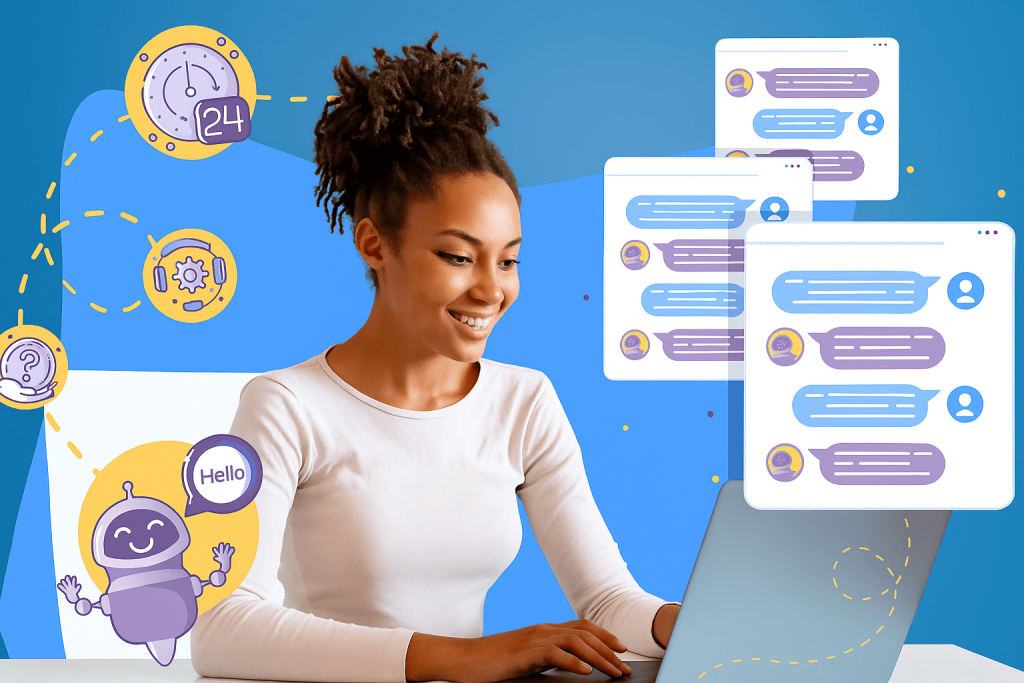
Digital communication tools also help maintain consistency. Video chat, co-browsing, and instant messaging add dimension to client interactions. Each format is recorded, analyzed, and stored securely, ensuring accuracy and compliance. The goal is not to automate empathy but to multiply its reach.
Firms that blend compassion with precision redefine customer care. Every response feels personal, even when powered by complex technology. The client remembers clarity, kindness, and consistency. This is the foundation of lasting relationships in a digitally connected age.
Stronger Engagement Through Intelligent Support Systems
Every interaction inside a contact center reflects the strength of its systems. The difference between average and exceptional service lies in coordination. When human skill, structured training, and intelligent technology align, contact centers transform from reactive units into proactive leaders.
Modern support systems amplify human capability. They enable accuracy without stress, speed without errors, and empathy without exhaustion. Each improvement compounds, creating consistent client satisfaction that defines business reputation.
PNCAi continues to lead this transformation. Its frameworks bridge automation and emotion, building environments where technology learns from people and people evolve with technology. Together, they form a continuous cycle of innovation and connection.
If your contact center seeks to elevate efficiency and deepen client trust, now is the time to redesign your foundation. Build smarter systems that empower your teams, engage your clients, and evolve with every conversation. Let your support systems represent not just service, but strategy.