Intelligent Frameworks in Modern Claims Management
Catastrophic events demand precision, speed, and empathy in equal measure. When natural disasters, large-scale accidents, or infrastructure failures occur, claims processing becomes a lifeline for individuals and businesses in distress. The evolution of technology has made it possible to replace fragmented systems with intelligent frameworks designed for clarity and accuracy.
Through connected data systems, claims adjusters and legal experts can collaborate in real time. Each piece of information, photos, reports, signatures, and communications, flows seamlessly between parties without delay. Digital coordination minimizes redundancy, allowing professionals to focus on outcomes rather than repetitive manual tasks.
This structure marks a shift from reactive operations to proactive preparation. The availability of accurate, time-stamped data reduces disputes and enhances decision-making transparency. Efficiency becomes measurable not just in speed but also in fairness and reliability. As technology continues to improve, every claim moves through a consistent, traceable process that benefits both providers and clients.
Adaptive Systems for Legal and Operational Consistency
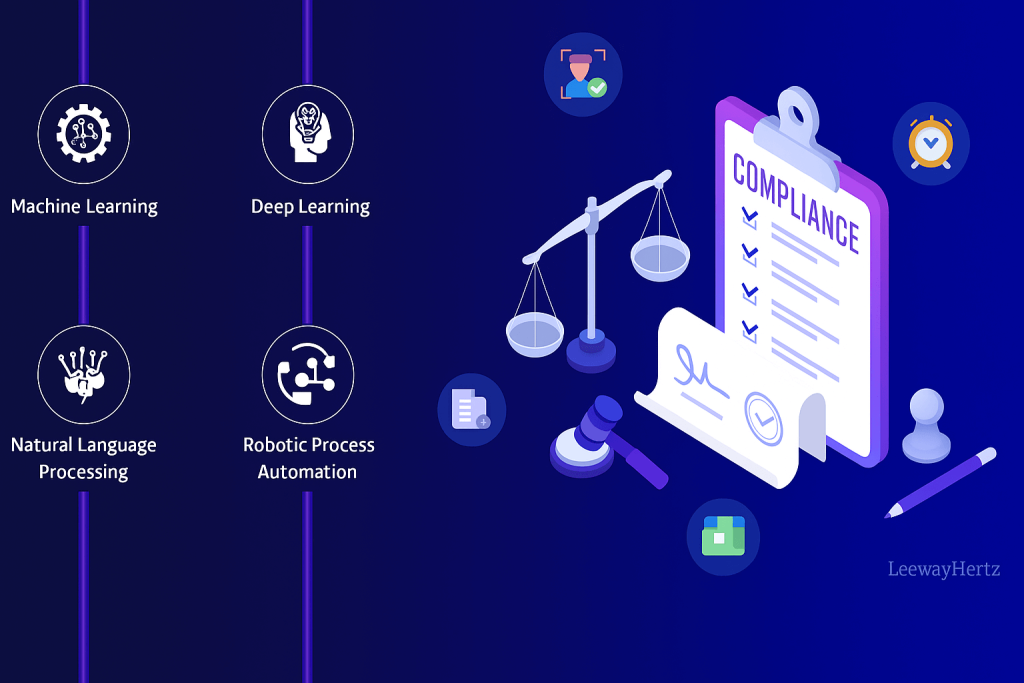
For many organizations, the greatest challenge during catastrophic events lies in maintaining operational consistency under pressure. Adaptive systems have become essential tools that align automation with legal and ethical standards. They support accurate documentation, policy compliance, and real-time communication among diverse teams working across multiple regions.
Automation now plays a guiding role in this environment. It streamlines repetitive verification steps and reduces the risk of human error while maintaining oversight through built-in validation points. Claims can be logged, reviewed, and escalated with minimal delay, even when volumes surge dramatically after large-scale disasters.
The integration of legal technology ensures that every claim follows procedural integrity. Documentation is automatically recorded and stored according to jurisdictional requirements, strengthening both accountability and transparency. These innovations protect claimants’ rights and institutional integrity at the same time.
By removing unnecessary complexity, adaptive frameworks make large-scale collaboration practical. As a result, organizations can respond faster without compromising ethical and regulatory boundaries. This balance defines the modern approach to legal and operational harmony.
Collaborative Infrastructure for Data Driven Recovery
Recovery after catastrophic events requires collaboration between insurers, governments, and legal entities. Traditional methods once limited by time and geography have evolved into connected digital infrastructures capable of handling thousands of simultaneous claims. The result is a process that supports resilience through shared intelligence.
Training is central to this transformation. As systems become more advanced, professionals need continuous education to understand how to interpret automated data outputs and apply insights effectively. Structured programs help staff manage both technical tools and human interactions during high-stress situations.
Specialized services assist organizations in implementing these systems smoothly. They ensure that teams can communicate effectively across technical and legal contexts without losing clarity or accuracy. The ability to read digital indicators quickly often determines the pace of recovery and the quality of decisions made during crisis periods.
When properly aligned, data-driven recovery structures eliminate confusion between departments and enhance coordination. They create a single source of truth that guides every claim from submission to resolution. This unity keeps recovery predictable, transparent, and ethically sound.
Resilient Pathways Toward Integrated Claims Support

As organizations look to the future, the integration of intelligent systems becomes a defining factor in long-term preparedness. Catastrophic events are unpredictable, but digital readiness reduces vulnerability. The alignment of technology, law, and human understanding ensures that every claim reflects fairness and precision.
PNCAi stands at the intersection of these innovations. By combining human expertise with structured automation, it demonstrates how technology can enhance professional coordination rather than replace it. Its focus on intelligent infrastructure creates environments where legal teams and claims processors can respond faster and with greater confidence.
The next evolution of claims processing involves systems that learn continuously. As they gather more data from each incident, they refine workflows, improve response times, and reduce administrative burden. This creates sustainable progress rather than temporary efficiency.
Organizations that invest in integrated recovery platforms not only meet current demands but also prepare for what lies ahead. The era of technology-enhanced claims support marks a step toward resilience built on data, collaboration, and human insight.
Rebuild with smarter coordination. Connect with our specialists to explore intelligent systems that transform complex claims into efficient, transparent resolutions designed for a stronger tomorrow.