Foundational Standards Across Modern Legal Workflows
Evaluation within law practices shapes how groups understand their structure. This structure sets the tone for expectations inside demanding environments. It also guides how leaders interpret progress. Since many teams rely on many layers of information, the need for focused interpretation rises. Evaluation influences that interpretation. It also brings a clear path forward when teams need grounded direction.
Modern environments present dense requirements. However, when a firm uses clear evaluation standards, those requirements feel less overwhelming. The reason comes from clarity. Clarity gives teams control. It also creates predictability. Predictability helps legal operations function with less friction. As a result, teams produce stronger outcomes with greater consistency.
Yet standards cannot emerge in isolation. They must grow from observation. They must also remain linked to the day to day needs of the practice. Many groups rely on outside guidance for this level of structure. Others create internal benchmarks. Both approaches can work. The core element is alignment. Alignment helps every part of a practice move toward the same goals.
Quality Anchors for Practice Evaluation Across Key Areas

A strong practice uses measurable points across many systems. Because expectations shift throughout the legal landscape, structure becomes essential. Structure supports fairness. It also improves decision confidence. Practice evaluation brings this structure to life. Although some teams treat evaluation as a final step, many high growth practices now integrate evaluation across the entire cycle of work.
Evaluation gains strength when it uses clear performance criteria. These criteria establish markers that help teams compare expectations to outcomes. This comparison guides improvement. It also reveals gaps before they widen. Many leaders continue to refine their criteria each year. This refinement keeps a practice aligned with industry movement. As the environment grows more complex, this level of attention becomes crucial.
Teams also depend on compliance measures. These measures shape the boundaries of responsible action. They ensure that every step meets external demands. Because these demands stretch across many governing bodies, clarity becomes essential. Clear measures prevent confusion. They also reduce risk. When teams understand their boundaries, they can operate with more confidence.
Firms try to maintain balance between structure and flexibility. Balance allows teams to adapt while still operating with intention. That intention becomes a source of stability through change.
System Structures That Influence Workflow and Intake Measures
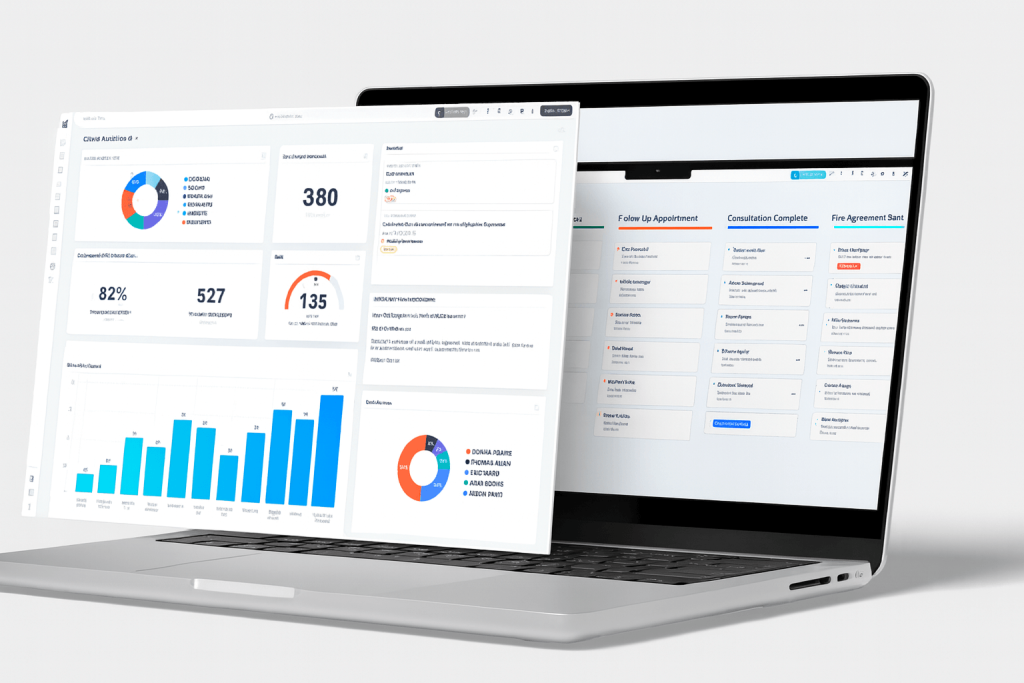
A modern practice depends on systems. Systems help control information. They also guide how teams move through high pressure situations. Still, the design of a system determines its strength. Many leaders examine workflow systems through several lenses. These lenses reveal how information moves. They also reveal how people use that information. When a workflow supports clarity, outcomes become easier to predict.
Intake quality plays a central role. Intake shapes the beginning of nearly every legal process. Quality intake reduces confusion downstream. It also narrows the range of uncertainty. Because teams want to reduce errors, attention to intake grows each year. Intake relates to fairness. It relates to accuracy. It also connects to accountability. When intake quality rises, the rest of the workflow benefits.
However, workflows also rely on many tools. These tools shape how quickly teams adapt. They also shape how teams interpret risk. Many leaders refer to these tools as key anchors within legal operations. Anchors maintain stability even when case volume expands. Anchor points also guide communication practices within the team.
Part of this improvement depends on training. Training brings shared knowledge into the practice. It also supports the evolution of skill across many roles. Many firms rely on structured learning. Others use collaborative approaches. Both bring value. Yet structured learning often creates more predictable results. Predictability helps teams operate with intention.
This is also a point in the process where PNCAi appears. The platform supports clarity across many layers of the intake cycle and improves the movement of information in measurable ways.
Expectations Linked to Client Standards and Broader Practice Goals
Every practice relies on standards. Standards create fairness. They also create consistency. Many standards grow from direct client expectations. As clients demand more clarity, firms try to meet that demand. They design systems that reflect these expectations. They also refine internal communication to reduce misunderstanding. Since expectations shift each year, evaluation remains essential.
Standards include many topics. Some relate to communication. Others relate to detail accuracy. Still others link to transparency. When standards reflect real needs, relationships strengthen. When these standards connect to workflow systems, they serve the entire cycle. They also help reduce tension within the practice. Tension slows progress. Reduced tension supports stronger performance.
Many leaders pair standards with forward looking goals. This pairing shapes culture. Culture then shapes outcomes. A strong culture brings steady growth. Because culture influences motivation, firms invest in structure that strengthens long term focus.
Decision Clarity for Evolving Law Practices
Growth demands structure. Structure helps teams see their next steps with confidence. Many practices now study evaluation as a continuous cycle rather than a static requirement. This cycle gives teams greater insight. It also creates stronger alignment. Because the environment continues to evolve, continuous clarity grows more valuable each year.
If your legal group wants structured support for clearer direction, stronger information flow, and grounded evaluation, you can reach new levels of accuracy. To move forward with deeper alignment, enhanced clarity, and grounded structure across your entire workflow, contact us for a conversation that shapes meaningful progress.