When disaster hits, everything feels loud. The event is sudden, overwhelming, and packed with decisions no one feels ready to make. Yet the quieter moments that follow can feel even heavier. People find themselves surrounded by incomplete details, misplaced documents, emotional strain, and a sense of uncertainty that settles in once the chaos fades. They are not only dealing with the event itself. They are also dealing with confusion about what to do next, who to contact, and how to begin a process they never planned for.

For any law firm, this moment is one of the most important touchpoints in the entire client journey. A person in distress is not thinking like a legal client. They are thinking like someone who needs help now. They want direction, not pressure. They want clarity, not complexity. And even when they struggle to explain what happened, they still hope they are speaking to the right team, one that knows how to turn uncertainty into the early steps of a case.
This transition from chaos to direction begins with strong legal intake. Intake is not paperwork, nor is it just the first interaction. It is the foundation that shapes the entire case. It influences how clients feel, how teams work, and how evidence flows. When intake is clear and compassionate, clients feel supported. When intake is scattered, they feel abandoned. To build trust quickly, firms need an approach that holds the client steady while building a file that can survive detailed legal review later.
First Contact That Creates Safety
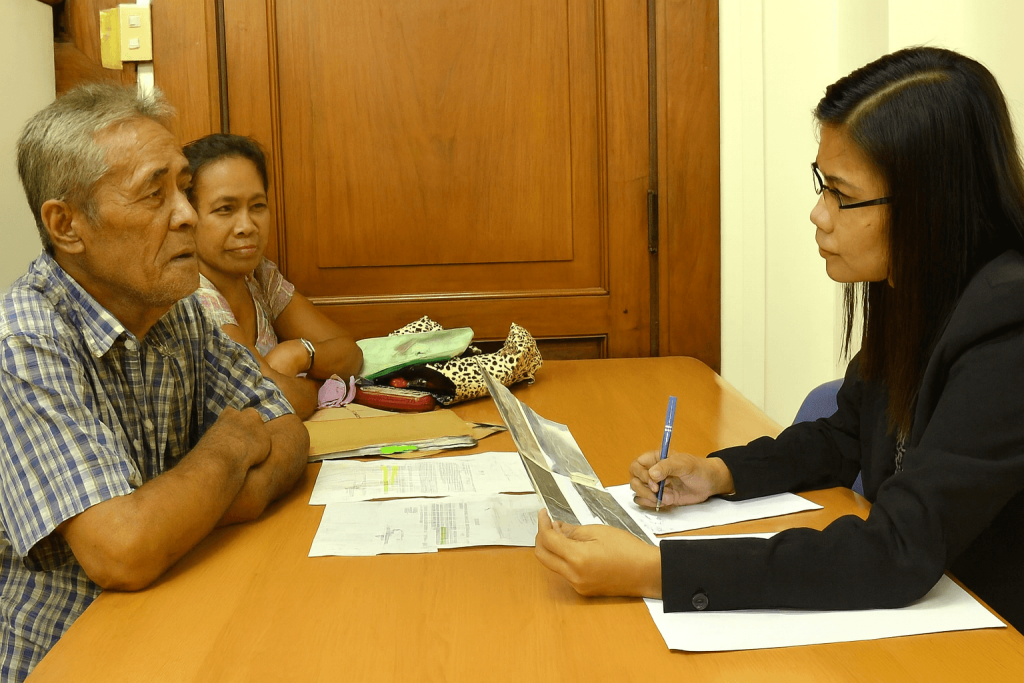
The first conversation with a distressed client sets the tone for everything that follows. During the first few minutes, the client is often overwhelmed by shock, confusion, or exhaustion. They may not know what details matter. They may repeat themselves or skip important points. And sometimes, they may struggle to find the right words at all. That is why the intake approach must prioritize emotional steadiness before information gathering.
This is where client communication becomes a powerful asset. Intentionally calm, guided communication makes clients feel heard. The intake specialist’s phrasing, pacing, and reassurance help diffuse the sense of panic the client may still feel. A client needs to trust that your team understands crisis behavior and can handle incomplete or scattered details with patience.
The goal is not to gather the entire story. The goal is to stabilize the situation. A strong intake start focuses only on the essentials: the event, the immediate impact, and the client’s current condition. Everything else can be collected once the client is grounded.
This early steadiness becomes the gateway to your legal services. When clients feel supported during the first contact, they recognize the value of your work immediately. They also become more willing to share accurate details, ask questions, and follow guidance. A calm intake conversation is not only good service. It is good case preparation.
Internal training plays a major role here. When intake teams follow a consistent process, clients move smoothly through an emotional moment without feeling rushed or lost. Consistency also ensures that the file starts with reliable, well-organized information, information that shapes the entire case later.
Evidence That Supports The Person And The Case
After the first conversation, the next challenge is helping clients gather evidence without overwhelming them. The days after a disaster are rarely productive for someone recovering from stress. They may not know where documents are. They may have lost access to certain records. They may have photos in multiple devices or incomplete timelines. They want to help, but they need clear, step-by-step structure.
This is where strong legal solutions show their impact. Clients do not need broad requests like “send everything you have.” They need instructions that tell them exactly what to provide, why it matters, and how to gather it without feeling overloaded. Evidence pathways should be designed to protect the case and protect the client’s mental bandwidth.
A supportive evidence process breaks tasks into manageable pieces. Instead of asking for ten items at once, the intake team focuses on immediate essentials, then adds more requests later as needed. This helps clients stay engaged without feeling like they are failing the process.
When clients understand what is important and why, they participate more confidently. Confidence keeps them involved. Involvement keeps the file strong. A strong file supports the firm during review, negotiation, or litigation.
Think of evidence as continuity. The intake specialist helps the client hold that continuity from the moment they reach out. If the thread breaks early, the entire case becomes harder later.
Process That Reduces Bottlenecks

Once evidence collection begins, intake must shift into a structured flow that keeps the case moving. Many firms experience delays because their intake systems were built for ideal client behavior instead of real client behavior. Real clients remember details late. Real clients find documents over time. Real clients may disappear for a week because their life is still in disarray.
A strong process anticipates these patterns rather than fighting them. When the process expects staggered information flow, it reduces internal stress and boosts efficiency. Intake teams no longer scramble to track scattered updates. Instead, they work within predictable milestones that match how clients naturally recover and gather information.
This structure also reduces friction between departments. When intake files are consistent, attorneys, assistants, and operations teams receive cleaner information and fewer surprises. Bottlenecks happen when tasks depend on inconsistent inputs. Predictable intake eliminates many of those inconsistencies.
A firm that designs intake for real people, not perfect people, will always outperform a firm that works in reaction mode. Structure is not about rigidity. It is about alignment with how clients actually behave after a crisis.
Tools That Support Judgment Not Replace It

Modern intake benefits greatly from technology, but only when used with intention. Good legal technology does not replace people. It strengthens the work people already do. It organizes information, fills gaps, sets reminders, tracks updates, and routes cases more intelligently.
When technology works with the process, clients feel the improvement immediately. They repeat themselves less. They wait less. They see progress more clearly. For the intake team, better tools create cleaner files, easier handoffs, and earlier detection of missing details.
Technology should handle the mechanical tasks so intake specialists can focus on judgment, empathy, and strategy. Those human skills matter the most during disaster recovery. When tools absorb the procedural weight, people can carry the emotional meaning of the work.
This alignment also creates more reliable services across the entire intake team. Clients receive a consistent experience whether they speak to one specialist or another. Consistency is one of the key drivers of early client retention because clients trust systems that feel dependable.
Even one strategic use of technology can transform a case. Whether it is automatic recordkeeping or smarter routing, small adjustments lead to big improvements in how the team performs under pressure.
A Stronger Way Forward After Crisis
The aftermath of a disaster will always feel fragile. But the legal process that follows does not need to add to that weight. When intake is built with clarity and compassion, clients feel supported rather than overwhelmed. When evidence guidance is simple, the case becomes stronger with less effort. When the process matches real behavior, teams work with fewer bottlenecks. And when technology supports the work instead of complicating it, the full system becomes more efficient and more humane at the same time.
With the right structure, every contact point helps clients move from fear to direction. Every step becomes a stabilizer instead of another source of stress. And every case benefits from a foundation designed to protect accuracy, trust, and outcomes.
PNCAi supports firms that want to elevate this experience and build an intake model that performs well during crises and remains steady long after.
If your firm wants a post-disaster intake process that feels human, organized, and efficient from the first call forward, let’s design a pathway that gives clients clarity while giving your team confidence every step of the way.