Intelligent Lead Evaluation and Modern Intake Priorities
Every legal inquiry deserves attention, yet not every lead requires the same level of urgency. Some callers have immediate legal needs, while others simply gather information before making a decision. Therefore, firms that quickly recognize promising opportunities often respond faster and use their resources more effectively. An organized intake process helps legal teams focus on potential clients who are ready to move forward without overlooking other inquiries.
This approach becomes even more valuable as firms receive higher call volumes through websites, referrals, advertising campaigns, and digital marketing efforts. Instead of placing every inquiry into the same queue, modern technology can evaluate important details and organize incoming contacts based on established business priorities. As a result, intake specialists spend more time engaging qualified prospects instead of sorting information manually.
That is where PNCAi delivers meaningful value. Rather than replacing legal professionals, intelligent automation helps organize incoming conversations, collect essential details, and support faster intake decisions. Consequently, firms improve response times while maintaining consistent communication throughout the initial contact process.
A smart queue analyzes information gathered during conversations and identifies details that help determine lead priority. Factors such as accident severity, legal matter type, urgency, available documentation, and readiness to proceed all contribute to more informed intake decisions. Because this evaluation happens automatically, firms reduce delays that often occur when every inquiry receives identical treatment.
Consistency also supports stronger business outcomes. Different intake specialists may naturally ask questions in slightly different ways. However, intelligent workflows help ensure every caller receives a similar experience while gathering the information needed for effective case review. Therefore, firms create greater operational consistency without sacrificing professionalism or empathy.
Modern legal intake processes increasingly rely on intelligent technology because they improve organization while supporting better client experiences. Likewise, firms searching for dependable legal solutions often prioritize systems that simplify administrative work while helping intake teams focus on meaningful conversations.
Technology also strengthens client communication by reducing unnecessary waiting periods. Prospective clients appreciate timely responses, especially when they contact a firm during stressful situations. Faster communication helps establish confidence while demonstrating that the firm values every inquiry from the beginning.
As client expectations continue to evolve, organized intake supported by intelligent prioritization provides firms with practical advantages that improve efficiency while supporting long term growth.
Automated Case Ranking and Operational Excellence
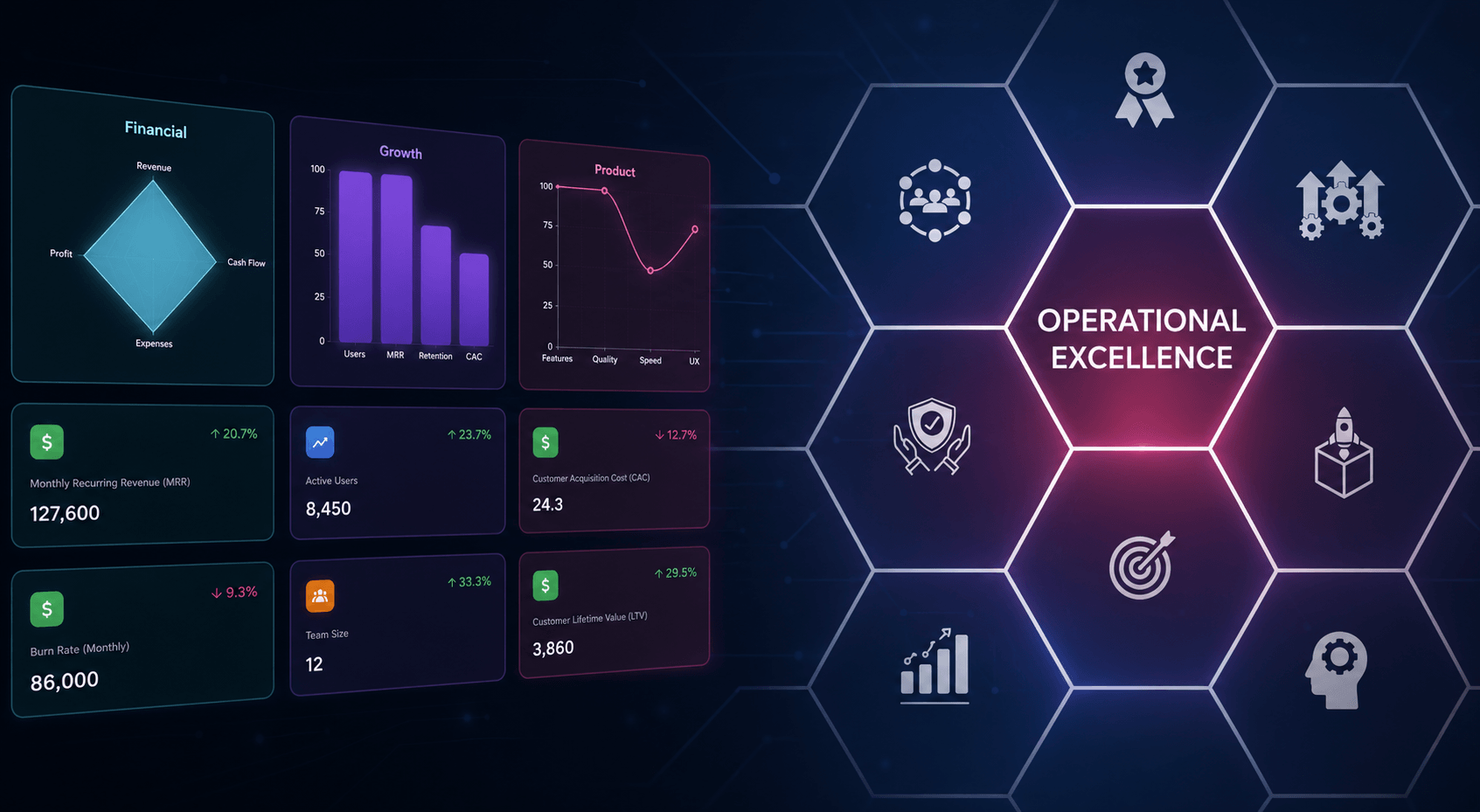
Successful intake begins with collecting accurate information. However, the real advantage comes from understanding which inquiries deserve immediate attention. A smart queue evaluates incoming information continuously, allowing firms to recognize higher value opportunities without requiring staff to manually review every conversation first.
One important technology supporting this process is AI lead qualification software. Instead of relying solely on manual evaluation, intelligent systems organize responses, identify qualifying information, and present relevant details for human review. Consequently, intake specialists spend less time sorting information and more time engaging prospective clients who are ready to continue.
Another valuable capability comes through inbound call screening AI. During conversations, intelligent systems recognize relevant information while guiding callers through consistent intake questions. Rather than replacing personal interaction, this technology supports staff by organizing collected information before it reaches legal teams responsible for further evaluation.
This approach creates several operational benefits. First, response times improve because qualified inquiries move through intake more efficiently. Second, staff members avoid spending unnecessary time organizing incomplete information. Third, managers gain greater visibility into intake performance by reviewing standardized data collected across every conversation.
Firms also benefit from stronger resource allocation. Rather than assigning equal attention to every inquiry regardless of potential value, they can prioritize cases that meet established business objectives while continuing to provide respectful communication to all prospective clients.
Reliable AI intake automation legal systems also reduce repetitive administrative tasks. Information gathered during conversations flows into organized records, allowing staff to verify details instead of repeatedly entering identical information. Therefore, legal professionals spend more time supporting clients and less time managing paperwork.
Many organizations also recognize the importance of dependable services and support throughout implementation. Technology performs best when providers offer guidance, onboarding assistance, and continuous optimization. As business needs evolve, responsive support helps firms maintain efficient workflows while adapting to changing operational requirements.
Smart prioritization does not determine legal outcomes or replace professional judgment. Instead, it provides organized information that helps legal teams make faster and better informed decisions using consistent intake data. That balanced approach strengthens operational performance while preserving the expertise that legal professionals contribute throughout every stage of case evaluation.
Workforce Development and Continuous Performance Improvement
Technology becomes even more effective when people understand how to use it confidently. While intelligent automation improves intake organization, experienced staff continue to play an essential role in building trust, answering questions, and supporting prospective clients during important conversations.

Because of that partnership, ongoing training and coaching remains an important investment. Team members benefit from learning how intelligent systems prioritize information, present recommendations, and organize incoming inquiries. As they become familiar with these tools, they work more efficiently while maintaining natural and professional conversations.
Training also promotes consistency across the entire intake team. New employees learn established best practices more quickly, while experienced professionals gain additional insights that support continuous improvement. Consequently, organizations create stronger operational standards without limiting individual communication skills.
Legal professionals still evaluate each inquiry carefully before determining whether it fits the firm’s practice areas or case requirements. Intelligent systems simply organize available information so staff members can begin those evaluations with greater confidence and better preparation.
A modern law firm often receives inquiries through multiple communication channels, including phone calls, websites, referrals, and digital campaigns. Organized intake technology helps consolidate these interactions while reducing unnecessary duplication. Therefore, staff members spend more time engaging prospective clients rather than locating scattered information across separate systems.
Continuous improvement also benefits leadership teams. Standardized reporting helps managers identify intake trends, measure response times, and evaluate workflow performance over time. Instead of relying on assumptions, firms gain practical insights that support better operational planning and resource allocation.
Technology should always strengthen human expertise rather than replace it. When automation handles repetitive administrative work and intelligent prioritization organizes incoming leads, legal professionals remain free to focus on meaningful conversations, thoughtful evaluations, and quality client service. That partnership creates a balanced intake environment that supports both operational efficiency and positive client experiences.
Contact Us for Smarter Legal Intake Solutions
Every legal inquiry represents an opportunity to help someone seeking professional guidance. However, firms benefit most when they can quickly identify higher priority opportunities while continuing to deliver respectful communication to every prospective client. Intelligent lead prioritization helps accomplish that goal by organizing incoming information, supporting faster evaluations, and reducing unnecessary administrative work.
Rather than depending entirely on manual review, firms can combine experienced legal professionals with intelligent automation to improve intake performance. This balanced approach supports faster response times, more organized workflows, and better visibility into daily operations without replacing the expertise that legal teams contribute throughout the intake process.
PNCAi helps organizations modernize legal intake through practical automation designed to support people instead of replacing them. From intelligent lead organization to consistent intake guidance and operational insights, the platform helps firms manage growing inquiry volumes while maintaining a professional client experience.
If your organization wants to improve intake efficiency, prioritize qualified legal opportunities, and strengthen daily operations, contact us today. Discover how PNCAi can help your team create a smarter intake process that supports sustainable growth, better organization, and stronger client relationships.