Connected Daily Information and More Confident Home Routines
Positive airway pressure therapy often depends on steady equipment use, timely supplies, and clear help when questions arise. Yet patients may forget replacement dates or feel unsure about routine equipment steps. PNCAi helps organizations coordinate device related information and outreach while qualified healthcare professionals remain responsible for clinical care.
Smart tracking can bring approved information into one useful view. Depending on the equipment and patient consent, this may include device reported usage, mask use time, supply history, outreach status, or unresolved support requests. However, an automated system should not diagnose sleep conditions, change pressure settings, or decide whether therapy works for a specific patient.
A missing usage entry may reflect travel, a disconnected modem, equipment trouble, or a patient choice. Therefore, staff should avoid treating one data gap as proof of nonadherence. A respectful follow up can uncover context without blame.
Clear messages also help patients understand the purpose of outreach. They should know whether a contact concerns supplies, device data, an appointment, or a request for live assistance. In addition, messages should explain how to reach an authorized person and where urgent medical concerns belong.
Privacy needs close attention because therapy records may include health and contact information. Organizations should use secure tools, limit access, and follow applicable consent and retention requirements. They should also verify identity before discussing personal details through phone or text channels.
Connected tracking directly works best as an aid for organized support. It can remind teams about pending calls, display reported equipment concerns, and show whether a patient responded. Meanwhile, clinicians can review information that requires medical judgment. This division keeps routine coordination efficient without placing treatment decisions in automated hands. As a result, patients receive clearer follow up, and care teams gain a more complete record of contacts, questions, and reported equipment needs.
Timely Supply Awareness and Consistent Outreach Coordination
Support options can help equipment providers manage replacement reminders and patient responses across a large population. Instead of relying on scattered lists, teams can use one approved workflow for eligibility checks, consent, contact attempts, supply preferences, and order follow up.
CPAP resupply automation may identify patients who are approaching an expected replacement interval based on program rules and available records. It can then prepare a reminder or place the patient in a review queue. However, the system should not assume that every person needs every item. Staff must confirm eligibility, current equipment, payer requirements, and patient choice.
A well managed CPAP resupply program should make responses easy to understand. Patients may clearly confirm that supplies are needed, decline an item, report a change, or ask for help. Moreover, the workflow should prevent duplicate orders when several channels receive the same response.
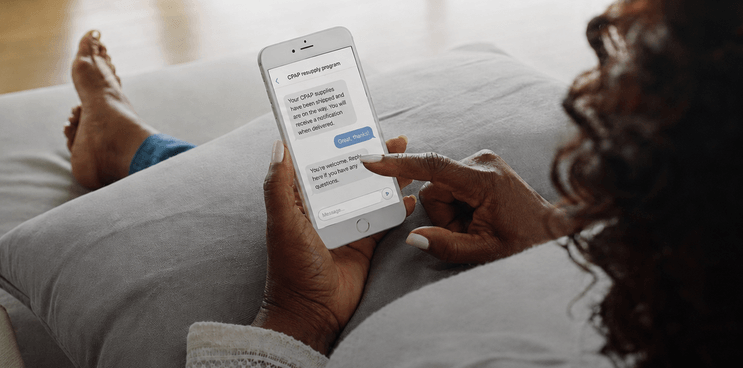
An AI SMS intake solution can collect simple, approved answers through text. For example, it may ask whether a patient wants a live call or needs help identifying current equipment. Yet sensitive or complex questions should move to a trained person. Text messages should also provide an opt out method and avoid unnecessary health details.
Eligibility and replacement timing can vary by payer, order, supplier policy, and individual need. Therefore, automated reminders should never promise coverage. They should present accurate next steps and explain that confirmation may still be required. Clear wording protects trust and limits confusion about costs.
When teams coordinate reminders, responses, and live follow up, patients face fewer disconnected contacts. Staff can see which action remains open and which request has reached completion. Consequently, supply outreach becomes easier to manage while patients keep control over their choices. The technology supports timing and organization, but authorized people remain accountable for verification, fulfillment, and any clinical concern.
Reliable Human Guidance and Responsible Care Team Escalation
Skills coaching prepares support agents to handle patient questions with patience and clear boundaries. Agents need to know how to verify identity, document reported concerns, explain routine processes, and route clinical questions. They also need guidance for privacy, consent, accessibility, and respectful communication.
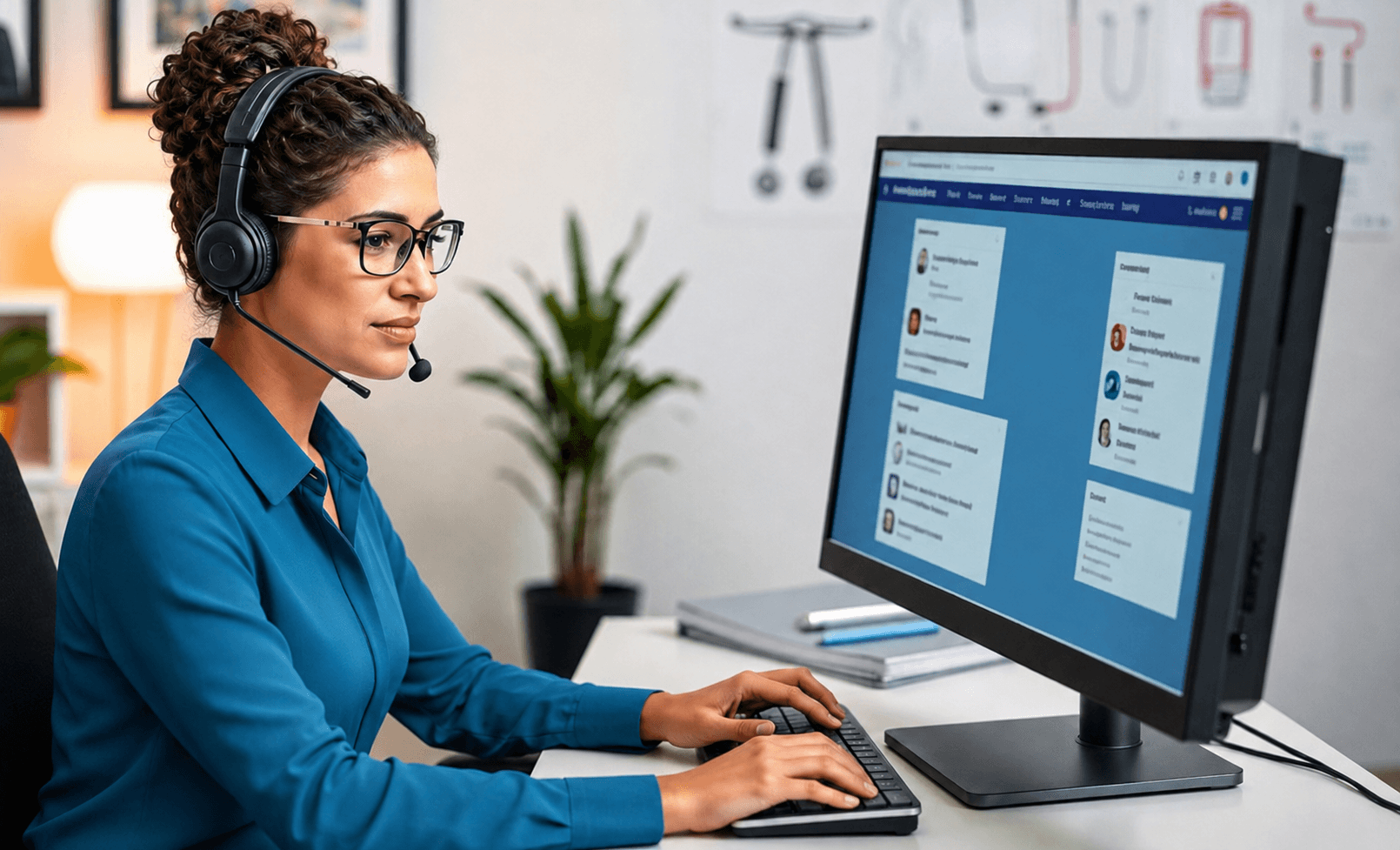
A durable medical equipment call center may receive questions about masks, tubing, filters, humidifier chambers, deliveries, or order status. Some answers involve basic supplier information. Others may concern symptoms, therapy settings, or urgent health issues. Therefore, agents must recognize when to stop routine support and connect the patient with a qualified care professional or emergency resource.
A patient might not recognize an equipment name, understand a replacement notice, or know why an order remains pending. An agent can listen, clarify the process, and record the patient’s stated preference. Still, the agent should not present personal medical advice or alter prescribed therapy.
Responsible CPAP compliance outreach should use supportive language rather than pressure. Device information can start a conversation, but it should not become a reason to shame a patient. Barriers may include fit concerns, travel, supply delays, technical trouble, or questions that need clinical attention. Careful notes help the appropriate team respond.
Healthcare call center automation can assist agents with approved prompts, task reminders, and accurate routing. It may also summarize completed steps for review. However, supervisors should test prompts, review sample interactions, and correct information that no longer matches policy. Human monitoring keeps the workflow useful and safe.
Escalation rules should remain simple. Agents need clear contacts for clinical questions, equipment problems, billing concerns, and urgent situations. They should also document when a handoff occurred and what information accompanied it. With reliable live support and sensible limits, patients gain a clearer contact experience while clinical professionals preserve authority over diagnosis, therapy decisions, and medical advice.
Steady Daily Progress and Practical Responsive Support Today
Smart tracking and live support can work together without replacing care. Tracking helps teams notice pending tasks, unanswered messages, or reported equipment concerns. Live agents then add context, answer routine questions, and direct sensitive issues to qualified professionals. This combination supports continuity while respecting clear clinical limits.
Organizations should begin with a defined purpose. One provider may want fewer missed resupply responses. Another may need better documentation of support requests. A third may want quicker routing for reported equipment problems. Specific goals make it easier to choose useful measures and avoid collecting data without a clear reason.
Responsible CPAP patient outreach automation should record contact attempts, preferences, responses, and requested follow up. It should also respect communication consent and channel choices. If a patient asks to stop automated messages, the workflow should update promptly and preserve the request for staff awareness.
Teams need quality reviews after launch. They can examine missed handoffs, duplicate contacts, outdated prompts, and unanswered requests. These findings can guide practical changes without altering prescribed care.
Data should remain understandable to the people using it. Clear labels can separate device reported information from patient statements and staff notes. Time stamps can show when each update arrived. Access controls can ensure that only authorized workers view sensitive records. Together, these measures support accurate follow up and responsible oversight.
Technology cannot confirm that every patient uses equipment correctly or that therapy produces a desired medical result. It also cannot replace assessment by a licensed clinician. Its role is to organize approved information and support timely contact. Clinical teams must interpret health data and decide what care is appropriate.
Our team can help providers explore connected tracking, organized outreach, and live patient assistance. Contact us to discuss your current workflow, communication needs, and goals for a safer, clearer support experience.