The Role of Consistency in Everyday Equipment Care
Reliable CPAP equipment care begins with small actions that fit into a routine. Clean parts, dry surfaces, and checks can help users notice wear before it causes a problem. However, care instructions differ across devices, masks, cushions, humidifier tubs, and filters. Therefore, users should follow the manual supplied with each product and ask their equipment provider when instruction remains unclear.
PNCAi supports the communication side of this experience through automated outreach and agent assistance. The goal is not to diagnose sleep conditions or replace a clinician. Instead, digital tools can help teams organize routine contacts, confirm requested information, and guide patients toward the resource. This approach can reduce confusion while keeping clinical decisions with licensed professionals.
Daily care often starts with the mask area because skin oils and residue can affect the seal. Many manufacturer guides recommend regular cleaning with warm water and mild soap, followed by careful rinsing and drying away from direct heat or sunlight. Still, some cushion materials need different handling. For that reason, a tip should never override the instructions for a specific model.
Humidifier care also depends on the exact water tub. Some models require distilled water, while certain cleanable tubs permit drinking quality water. As a result, the claim that distilled water is always the only safe choice is too broad. Users should check the device guide, empty or refresh water as directed, and inspect the tub for cloudiness, cracks, leaks, or mineral deposits.
Clear patient communication workflows can reinforce these habits without overwhelming users. Short messages can point people back to approved instructions, remind them to inspect parts, and provide a route for questions. When communication stays accurate and concise, equipment care feels more manageable. Better guidance also helps support teams avoid generic claims that may not suit every device or patient situation.
The Value of Routine Care and Timely Resupply
A practical care plan separates frequent cleaning from periodic inspection. The mask cushion may need close attention because it touches the face and can collect oil. Tubing and water tubs also require cleaning at intervals listed in the product guide. Meanwhile, the main device usually needs only the exterior care described by its manufacturer. Users should unplug equipment before cleaning and keep water away from electrical components.
Support teams can reinforce these steps through patient assistance that uses approved information. For example, an agent can help a caller locate the correct user manual or identify the product name before discussing care. This simple check matters because washable foam filters and disposable paper filters do not follow the same instructions. Washing a filter that requires replacement may damage it or reduce performance.
Drying deserves equal attention. Parts should generally dry fully before reassembly, and many guides advise keeping them away from direct sunlight or strong heat. However, users should follow the drying method listed for their own equipment.
Automated messages can support routine awareness. Thoughtful automated patient reminders may prompt a user to review the manual, inspect a seal, or contact the equipment provider about a worn component. Yet reminders should not invent universal replacement dates. Part condition, model guidance, payer rules, and provider instructions can all affect timing.
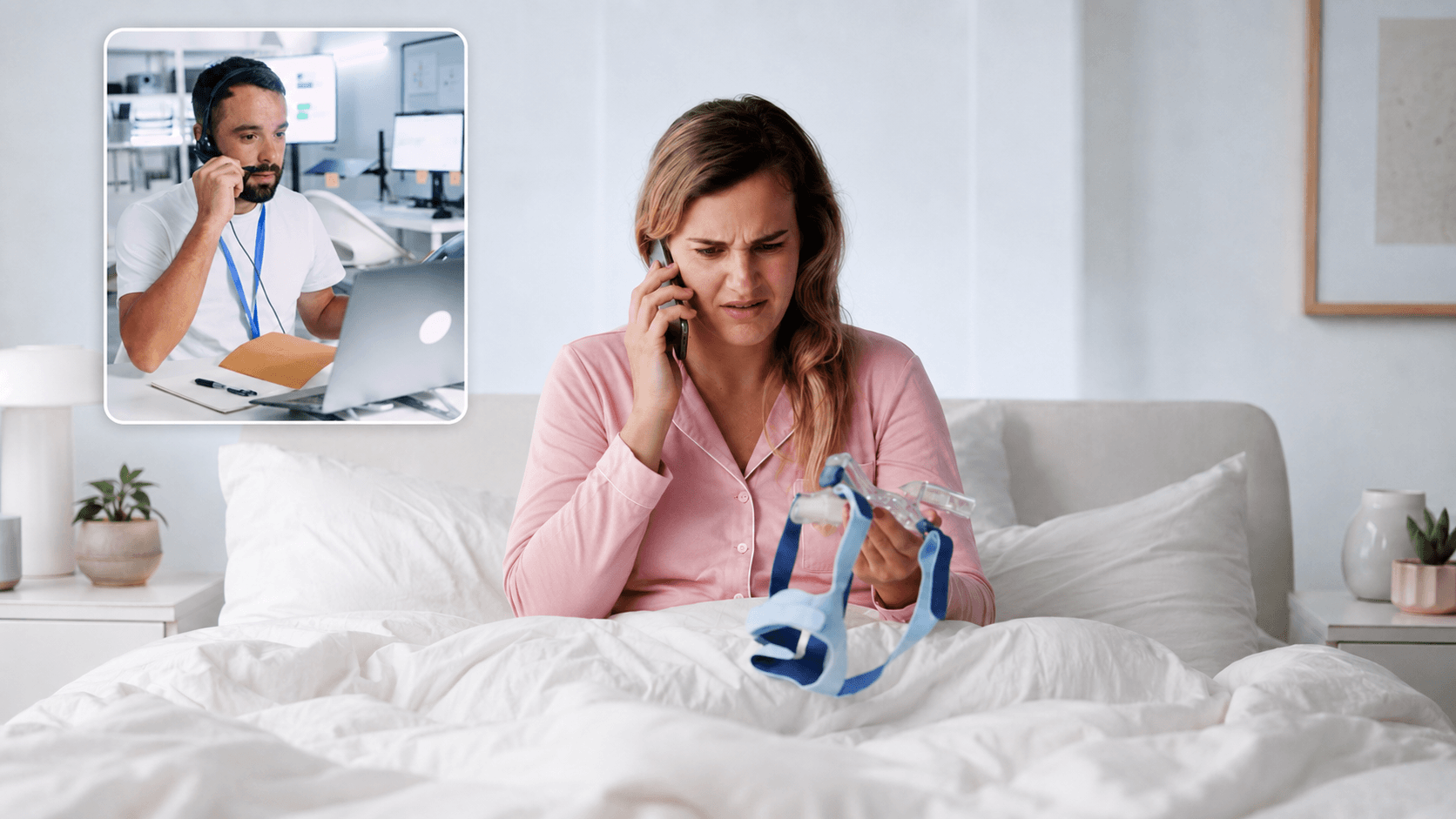
Care teams also need a clear boundary between practical support and clinical advice. Agents may record a reported air leak, damaged tube, or fit concern. However, they should not change prescribed pressure settings or tell a patient to stop therapy. Those questions belong with the prescribing clinician or qualified equipment provider.
Overall, users can care for parts with fewer guesses, while support teams can document concerns and route them responsibly. That balance protects both the equipment experience and the patient relationship.
CPAP parts do not wear at the same rate. Cushions, tubing, filters, headgear, and water tubs use different materials and face different types of stress. Dust, facial oils, cleaning methods, local conditions, and daily use may affect their condition. Therefore, users should inspect components regularly and compare what they see with manufacturer guidance rather than relying on one schedule for every product.
Organized CPAP resupply outreach can help equipment providers contact eligible patients about possible replacement needs. A message may ask whether a part shows wear, whether contact details remain current, or whether the patient wants help with an order. However, outreach should distinguish between a reminder and a guarantee of insurance coverage. Coverage depends on the patient’s plan, documentation, supplier requirements, and other applicable rules.
Accurate records help these conversations move. Through SMS based patient intake, an organization may collect responses before an agent follows up. The message should explain its purpose, use privacy safeguards, and avoid requesting sensitive details. In addition, patients need another contact option when text messaging does not suit their needs.
Teams can also use DME resupply support to organize order questions, confirm approved details, and route complex issues. Agents should avoid promising shipment dates until the system confirms them. Likewise, they should not claim that a new part will solve a therapy problem. A replacement may address wear, but a clinician or qualified provider should review concerns about therapy effectiveness.
Resupply communication works best when it feels useful rather than repetitive. Teams can set contact preferences, document completed orders, and stop duplicate reminders after a patient responds. Moreover, clear escalation rules help agents direct billing, prescription, fit, or clinical questions to the right group.
Accuracy matters. By confirming information before action, teams can protect trust and help patients receive guidance at the appropriate time.
The Benefit of Prepared Teams and Responsible Automation

Technology can make routine patient support more consistent, but people still shape the experience. A caller may have a simple order question, trouble identifying a part, or concern about a message they received. The agent needs enough knowledge to listen, clarify the request, and choose the correct next step. Therefore, preparation must cover both system use and respectful communication.
Staff coaching can help agents practice explanations, privacy rules, documentation, and escalation. Coaching should use examples without exposing patient information. It can also show agents how to avoid medical claims, confirm details, and recognize when a question belongs with a clinician, respiratory therapist, insurer, or equipment provider.
During contacts, real time agent guidance can display approved prompts or fields. This support may reduce missed questions and repeated typing. However, the agent should remain attentive to the caller rather than reading a rigid script. If the issue changes, the person handling the contact needs room to pause and follow the correct escalation process.
Quality review adds another safeguard. Supervisors can examine whether agents recorded information accurately, used approved language, protected privacy, and routed concerns correctly. They can then update coaching when errors repeat. Still, automated summaries require human review because software may misread a name, product, or spoken detail.
Well planned CPAP compliance follow up calls can check whether a patient needs nonclinical assistance or a connection to the proper care resource. Agents should not judge adherence, alter prescribed therapy, or imply blame. Instead, they can document the patient’s report, provide approved contact information, and arrange the next authorized action.
Responsible automation reduces routine work without removing accountability. Messages, call prompts, and data checks can help teams respond sooner. Yet humans must review exceptions, correct errors, and protect sensitive information. When organizations define those roles clearly, technology becomes a practical aid.
The Next Step for Better Patient Support Experiences
Long term CPAP equipment care depends on accurate product guidance, regular attention, and access to qualified help. Users benefit when instructions match the mask, tube, filter, humidifier tub, and device they own. Therefore, support content should avoid absolute rules that treat every product alike. A manufacturer guide remains the primary source for cleaning, water use, inspection, and replacement instructions.
Organizations can strengthen this experience by reviewing every contact point. First, they can examine reminder messages, call scripts, web forms, and resupply notices for clarity. Next, they can remove outdated claims and define where agents should send clinical, billing, technical, or coverage questions. This review helps patients receive answers from the right source without unnecessary transfers.
Good automation also respects patient choice. Some people prefer a phone call, while others may choose text or another approved channel. Communication settings should reflect consent, privacy requirements, and accessible alternatives. Moreover, systems should record completed actions so patients do not receive repeated requests for information they already provided.
Careful human review still matters.
The strongest support model keeps clinical judgment, prescription decisions, and individual medical advice with qualified professionals. At the same time, automated tools can help manage routine outreach, collect approved details, and guide agents through consistent steps. This division protects patient care while improving operational focus.
For organizations planning a more dependable CPAP support program, the next move should connect accurate equipment information with thoughtful communication. Contact or connect with our team to discuss outreach, resupply coordination, and agent support designed around responsible use. You can also explore all our AI services to see how carefully planned automation may reduce repetitive work, strengthen records, and help support teams respond with greater clarity. Better systems should never replace human care. Instead, they should give people more time and better information for every conversation.