Foundations of Client Security in Modern Intake
Client intake has become the gateway to building trust and ensuring a seamless experience. A strong intake system is more than a digital form or a receptionist’s checklist. It is the frontline defense for sensitive information. Organizations across industries now handle larger volumes of data at the very first client touchpoint. This makes security at intake a non-negotiable pillar for every business.
Modern intake systems use encrypted channels, authentication protocols, and access control measures. These steps create an environment where information can be captured safely and processed with minimal risk. Secure intake systems also improve the client experience by removing obstacles and enhancing efficiency. At the same time, these systems reinforce the brand image of reliability and integrity.
Many companies now invest in robust data security measures right at the client intake stage. They align policies with the latest compliance standards to reduce exposure to risk and increase confidence among stakeholders. By creating clear, well-tested protocols, organizations protect not only the data but also their reputation.
Why Privacy Safeguards Matter in Data Collection

Privacy safeguards during client intake extend beyond simple password protection. These safeguards cover encryption at rest and in transit, secure storage of sensitive information, and ongoing risk assessments. Such measures shield both the organization and its clients from cyber threats.
A business that commits to privacy safeguards during intake establishes a foundation of transparency. Clients feel more confident sharing their data when they know the organization is serious about security. This trust encourages more honest disclosure, enabling better service delivery.
The most effective privacy measures also account for internal practices. Employees must be trained to handle sensitive data properly. Access to information should be restricted to those who genuinely need it. Data logs should track every action performed on client records. When these policies are consistently applied, the intake system transforms from a simple form into a secure gateway.
Compliance with privacy safeguards also means preparing for future challenges. As cybercrime evolves, so do the methods needed to combat it. By embedding privacy into the intake process, organizations can quickly adapt to new threats without major disruptions.
What Role Does Training Play in Client Data Security
Training is often overlooked when building a secure intake process. However, it plays a crucial role in protecting sensitive information. Employees at every level must understand how to collect, store, and share client data without compromising security.
Effective training should include hands-on sessions, scenario-based learning, and clear protocols. Staff need to know how to identify phishing attempts, handle sensitive documents, and use secure systems. Training also builds a culture of accountability, where everyone recognizes their role in safeguarding data.
Well-trained employees can spot vulnerabilities before they become incidents. They understand the consequences of mishandling data and take proactive steps to prevent breaches. Regular refresher courses and updates ensure that training evolves alongside emerging threats.
Organizations using training as part of their security pillars report fewer incidents and faster recovery times when problems occur. This human element, combined with technical measures, creates a layered defense that protects client data from multiple angles.
How Do Compliance Standards Shape Secure Intake Systems
Compliance standards guide organizations on how to protect data and meet legal requirements. These standards set the minimum thresholds for encryption, data handling, and privacy measures. They also influence how companies design intake systems to reduce liability and improve client confidence.
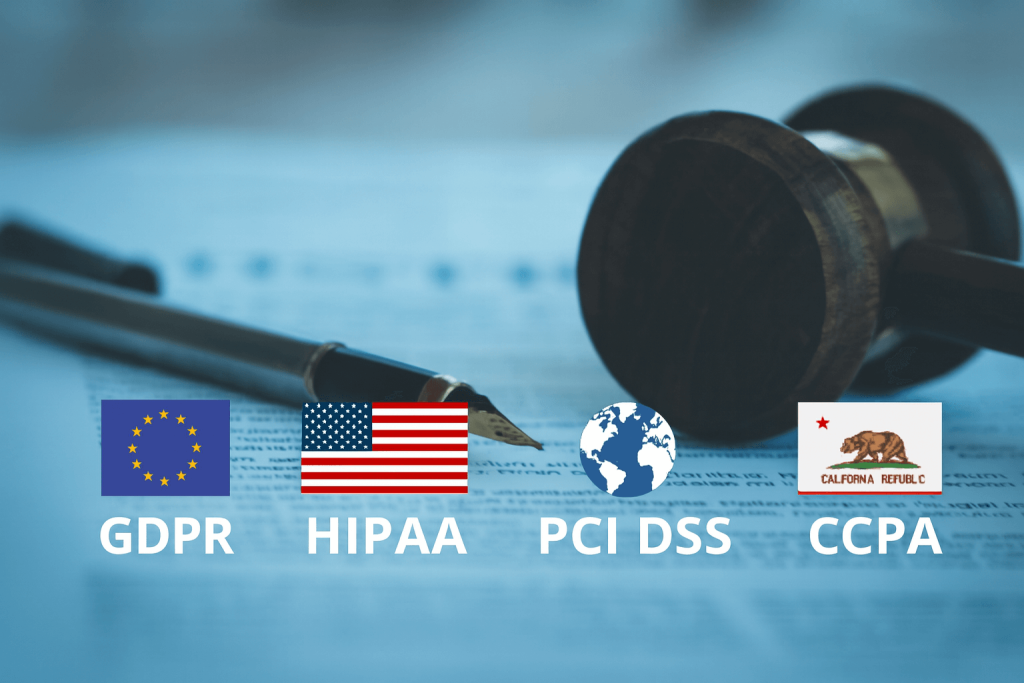
Well-known compliance frameworks include GDPR in Europe, HIPAA in healthcare, and PCI DSS for payment information. These regulations emphasize data minimization, secure storage, and timely reporting of breaches. By aligning intake systems with compliance standards, organizations avoid penalties and demonstrate their commitment to ethical practices.
Compliance also fosters internal consistency. When everyone follows the same rules, the likelihood of mistakes decreases. Intake systems built with compliance in mind often include automated features like encryption and audit trails. These features reduce human error and streamline security operations.
It is important to remember that compliance is not a one-time action. Standards evolve as new threats emerge and technology advances. Organizations should periodically review their intake systems and update them to stay compliant. This ongoing process strengthens data security and protects client trust over time.
Integrating Advanced Solutions for Enhanced Data Protection
Modern intake systems benefit from secure technology that combines automation with human oversight. By uniting these elements, organizations reduce risk at the earliest stages of client interaction and ensure sensitive information is handled with encryption, secure access, and privacy safeguards.
Platforms like PNCAi exemplify how technology can streamline and safeguard client intake. These systems improve operational efficiency by automating tasks prone to human error, enabling a seamless experience for both clients and staff without sacrificing security.
This approach also brings scalability. As organizations grow, intake systems can handle more data without weakening privacy or compliance measures. By maintaining transparency, clear audit trails, and a secure infrastructure, these solutions support a strong reputation while reducing exposure to risk.
Building Trust Through Secure Access and Encryption
Secure access and encryption form the backbone of a modern client intake system. Together, they ensure that only authorized personnel can view or modify sensitive data. Encryption protects information both in transit and at rest, making it nearly impossible for unauthorized parties to intercept or read.
Multi-factor authentication adds another layer of protection. Employees must provide additional credentials beyond a simple password. This prevents unauthorized access even if login details are compromised. Secure access policies also control which staff members can view specific types of client data.
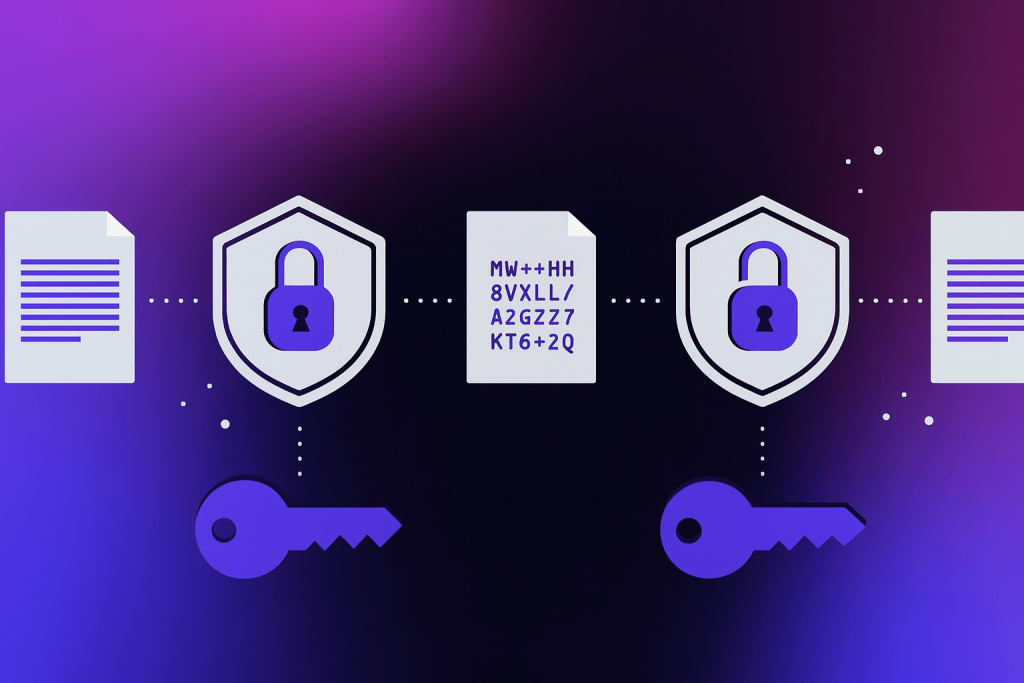
Encryption standards must be regularly updated to remain effective against emerging threats. Organizations should also maintain clear policies on key management and backup procedures. These practices make it easier to recover data after incidents without exposing sensitive information.
By prioritizing secure access and encryption at the intake stage, businesses can assure clients their data is handled with care. This assurance strengthens long-term relationships and enhances brand credibility. Clients are more likely to return and recommend services when they feel their privacy is protected.
Advancing Client Security Through External Insights
Integrating external resources into the development of intake systems can provide additional credibility. For example, learning from frameworks published by government agencies or educational institutions can strengthen internal security practices. Organizations can also benchmark their processes against recognized standards.
As an example of such a resource, the National Institute of Standards and Technology (NIST) offers extensive guidelines on data security and privacy. You can explore these insights at https://www.nist.gov/ to understand the latest best practices. Applying these external insights helps organizations stay ahead of cyber threats and build a robust intake system.
This approach also supports ongoing improvement. By leveraging credible resources, organizations can identify gaps, adopt new tools, and train staff more effectively. This continuous refinement of data security pillars keeps client intake processes resilient against changing risks.
Strengthening Future Pathways With Client Security Commitment
Committing to client security at the intake stage creates a ripple effect across the entire organization. Secure systems improve efficiency, reduce errors, and foster a culture of trust. They also make it easier to comply with regulations and attract high-quality clients who value privacy.

Investing in strong data protection pillars at intake also positions organizations for long-term success. It reduces legal and financial risks, enhances brand reputation, and enables more personalized service. This proactive approach becomes a competitive advantage in markets where clients demand transparency and security.
Organizations that treat data security as an ongoing priority rather than a single project are better prepared for the future. By continuously evaluating risks, updating technology, and training staff, they create a resilient framework that adapts to changing circumstances.
Ready to Secure Your Client Intake Experience Today
Clients trust organizations that prioritize their privacy. Building a secure intake process demonstrates this commitment at the very first point of contact. It protects sensitive information, strengthens brand reputation, and supports compliance with ever-changing standards.
Now is the time to take action. Review your current intake systems, identify gaps, and invest in solutions that align with the pillars of data security. Consider platforms and partnerships that offer integrated safeguards. Make sure training, privacy safeguards, and encryption are at the core of your operations.
If you are ready to create a client intake experience built on trust and protection, reach out to our team. Together we can design a system that reflects your values and strengthens your reputation in the market.