Human Oversight in Digital Legal Frameworks
The intersection of human intelligence and automation has redefined how law firms operate. Automated systems handle documentation, client intake, and claims processing at unmatched speeds. Yet, automation alone cannot sustain the nuance and ethics required in legal work. Human validation fills that essential gap. It ensures that each data point, judgment, and client record reflects fairness and contextual understanding.
Human oversight transforms automation from a convenience into a trustworthy system. It verifies that decisions remain compliant, transparent, and aligned with client expectations. A balanced framework protects both accuracy and empathy, building a legal ecosystem where efficiency does not sacrifice human judgment.
Compliance Assurance Through Human Review
Automation accelerates processes, but compliance depends on human review. Legal data, claims, and case documentation often require interpretation that algorithms cannot fully replicate. When professionals verify automated outputs, compliance risks decrease significantly.
Human validators interpret legal context, detect irregularities, and ensure each document aligns with ethical standards. This review process prevents misinformation, protects confidentiality, and supports regulatory consistency. Legal accuracy is not about volume but reliability, and that reliability is human in nature.
By combining compliance oversight with automated systems, firms create a dual safeguard that prevents costly errors and maintains professional integrity.
Training Structures for Hybrid Legal Systems

Training shapes how professionals adapt to automation. Teams must understand both the capabilities and the limits of the tools they use. Proper training empowers staff to identify when human input is needed, ensuring that automation remains an asset, not a risk.
Legal teams learn to interpret data correctly, recognize anomalies, and apply ethical reasoning. Training builds confidence and consistency across departments. It turns legal technology from a complex system into an intuitive ally. When teams are well-prepared, hybrid models operate with precision and efficiency.
Training also reinforces accountability. Each action within the system is traceable, ensuring that both human and automated efforts contribute to transparent legal outcomes.
Data Security Across Automated Workflows
Automation depends on data movement. With every upload, entry, or claim submission, sensitive information travels through networks. Data security must therefore stand at the center of automation design. Human validation provides a protective layer against unauthorized access and misinformation.
Professionals review permissions, confirm encryption measures, and validate system compliance. They ensure that every file transfer aligns with legal privacy standards. In automated frameworks, trust comes not just from technology but from continuous human oversight.
By maintaining human involvement in data processes, firms strengthen accountability while ensuring that automation remains ethically sound and legally compliant.
Efficiency Without Compromising Ethics

Automation brings undeniable efficiency. Tasks that once took hours are now completed in minutes. However, efficiency must not overshadow ethical practice. Legal services require fairness, accuracy, and empathy, values that cannot be automated.
Human validation ensures that technology supports rather than replaces ethical decision-making. When humans review system outputs, they protect against bias, incomplete information, and misinterpretation. This collaboration creates a process that is both fast and fair.
Efficiency achieved through automation is meaningful only when guided by human ethics. A transparent structure ensures clients receive not just quick responses but also responsible ones.
What Role Does Human Validation Play in Client Trust
Clients rely on the belief that their cases are handled carefully, not mechanically. Human validation builds that confidence. It transforms automated systems into trusted extensions of professional care. When clients know that every automated action undergoes human review, their sense of security deepens.
Trust depends on perception and experience. A balanced process that combines automation with human validation communicates accountability. Clients feel reassured that the technology serves their interests rather than replacing personal attention.
This assurance becomes part of the firm’s identity, strengthening its position in a competitive market. Transparency and human involvement define modern credibility.
A Call to Balance Innovation and Human Judgment
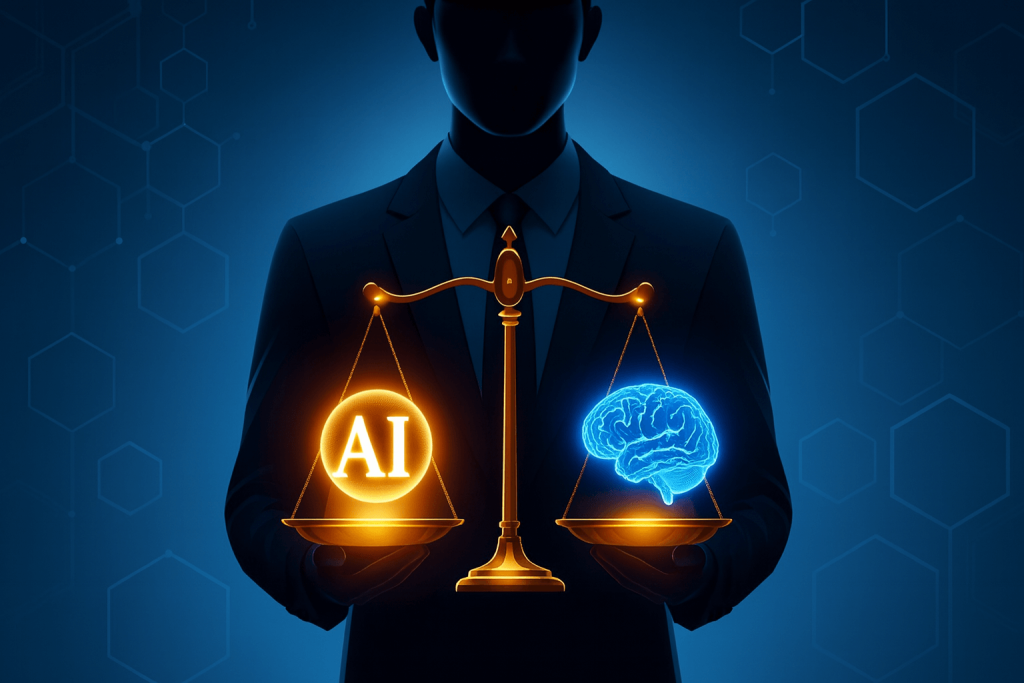
The future of law rests in balance, not extremes. Automation can streamline every process, but it is human insight that guarantees fairness. Firms must adopt systems that merge data efficiency with ethical review. Only then can legal automation reach its full potential without losing its moral foundation.
By integrating validation checkpoints, law firms achieve consistency, compliance, and care in every case. PNCAi embodies this evolution, combining artificial intelligence with human understanding to create accurate, transparent, and secure legal ecosystems.
Firms ready to enhance their operations should start with an internal audit of their automated systems. Identify where human validation adds clarity, and reinforce those checkpoints. Create workflows that reflect both innovation and integrity, where technology amplifies human capability, not replaces it.