Basis of an Incident, Accident, and Liability System
Every organization faces risks. These risks may involve people, property, or operations. An incident, accident, and liability review process helps identify, evaluate, and reduce those risks. When managed well, it ensures workplace safety and maintains organizational credibility.
This structured approach begins with accurate reporting. Every incident must be documented clearly and promptly. Early recording helps prevent data loss and ensures that patterns are visible. Legal operations rely heavily on accurate documentation to protect both the business and its employees.
A reliable process also improves incident management. Teams know what to do and who to inform when something happens. This readiness reduces confusion and response time. Consistent procedures make it easier to find solutions fast and reduce the impact of unexpected events.
When organizations review accidents carefully, they learn valuable lessons. Each event provides insight into how future incidents can be avoided. Accident prevention is not only about safety; it is about continuous learning and improvement. By examining what went wrong, managers can adjust systems before larger problems appear.
Well-structured reviews also strengthen liability review. They clarify who is responsible for what, helping legal teams defend the company’s position if a claim arises. A clear chain of accountability minimizes disputes and builds trust among stakeholders.
The entire process forms a cycle: identify, respond, evaluate, and prevent. Over time, this cycle creates a culture of awareness and responsibility across the organization.
Risk Evaluation and Corrective Measures
Strong risk evaluation defines the success of any review process. It allows organizations to act before issues turn serious. Each step, from identification to analysis, must be precise and consistent. Risk management combines observation with strategic action.

To start, companies should maintain incident logs. These records show when, where, and how problems occur. Reviewing them regularly helps detect trends and underlying causes. Once the causes are clear, leadership can implement corrective measures.
Corrective action should be both immediate and long term. Quick responses handle the present concern, while broader solutions address systemic weaknesses. For example, if a recurring incident involves equipment malfunction, both repair and procedural training may be required.
Quality training plays a central role here. Employees must know what to do, whom to inform, and how to act safely. This understanding limits risk exposure and enhances productivity. A well-informed team can respond swiftly and minimize disruption.
The integration of technology also supports this process. Platforms designed for review tracking, like the systems used by PNCAi, make data collection and analysis more efficient. These platforms automate notifications, generate visual reports, and store records securely. They also encourage transparency, which builds accountability within teams.
Beyond internal management, the review process ties into compliance. Meeting regulatory requirements protects the organization from penalties. It also demonstrates a commitment to ethical and responsible operations. Clients and partners notice these efforts and often associate them with professionalism and integrity.
In summary, evaluation and correction work hand in hand. Each incident teaches valuable lessons that shape future prevention strategies.
How Can Legal Operations Improve Review Efficiency
A question many organizations ask is how their legal operations can improve efficiency during a review process. The answer involves coordination, consistency, and leadership. When legal teams understand the review system, they can better manage claims, communicate with insurers, and protect the company’s interests.
Legal operations benefit from centralizing information. Having one source of truth ensures that data is accurate and accessible. Whether a claim involves property damage or personal injury, organized documentation supports quick decision-making.
Moreover, communication between departments should be structured. Legal, human resources, and safety teams must work as one unit. Each department contributes to the process by providing context, facts, and insights. This collaboration reduces duplication and speeds up case resolution.
Continuous education also plays a part. Legal teams that undergo specialized services in investigation or risk training can handle incidents more efficiently. Understanding the laws related to liability, insurance, and safety helps prevent missteps that could result in legal exposure.
Consistency is the foundation of improvement. Legal teams that review incidents regularly identify weaknesses earlier. They create checklists and guidelines that can be applied across the company. These resources make it easier to maintain quality even as the organization grows.
Technology again plays a crucial role. Automated systems send alerts, schedule follow-ups, and record updates in real time. This reduces administrative workload and improves response accuracy.
By strengthening coordination and using reliable tools, legal operations can turn a reactive process into a proactive one. Over time, this shift builds confidence among employees and partners.
Building a Culture of Prevention and Accountability
Sustainable safety and risk control rely on culture. Rules alone are not enough. Organizations must promote awareness, responsibility, and collaboration at every level. Building such a culture transforms how employees view safety and accountability.
Workplace safety starts with clear expectations. Everyone should understand the importance of reporting and prevention. Leaders must communicate that identifying hazards is not blame but responsibility. When people feel secure in reporting issues, the organization gains early warnings that prevent accidents.
Managers should conduct regular safety meetings, refreshers, and scenario discussions. These activities keep awareness alive. Training sessions and internal campaigns remind teams why procedures exist. When employees understand the “why,” they comply more willingly and thoughtfully.

Recognition also helps maintain engagement. Highlighting teams that achieve safety milestones motivates others to follow their example. A positive approach encourages participation and continuous attention to safety standards.
The role of leadership cannot be understated. When leaders model safe behavior, others follow. Strong leadership turns safety into part of daily operations, not just an occasional checklist. Over time, this habit strengthens the organization’s reputation for reliability and care.
Legal operations benefit greatly from this cultural shift. Fewer incidents mean fewer claims, less downtime, and more trust from clients. Moreover, it enhances relationships with regulators and insurers. A company known for diligence and responsibility stands out as a reliable partner.
By combining structure, education, and culture, organizations create an environment where accidents are rare and accountability is shared.
Strengthen Safety Through Smart Review Systems
Safety is not optional. It is a reflection of how much an organization values its people and its purpose. A well-designed incident, accident, and liability review process empowers teams to work smarter, prevent harm, and manage risk confidently.
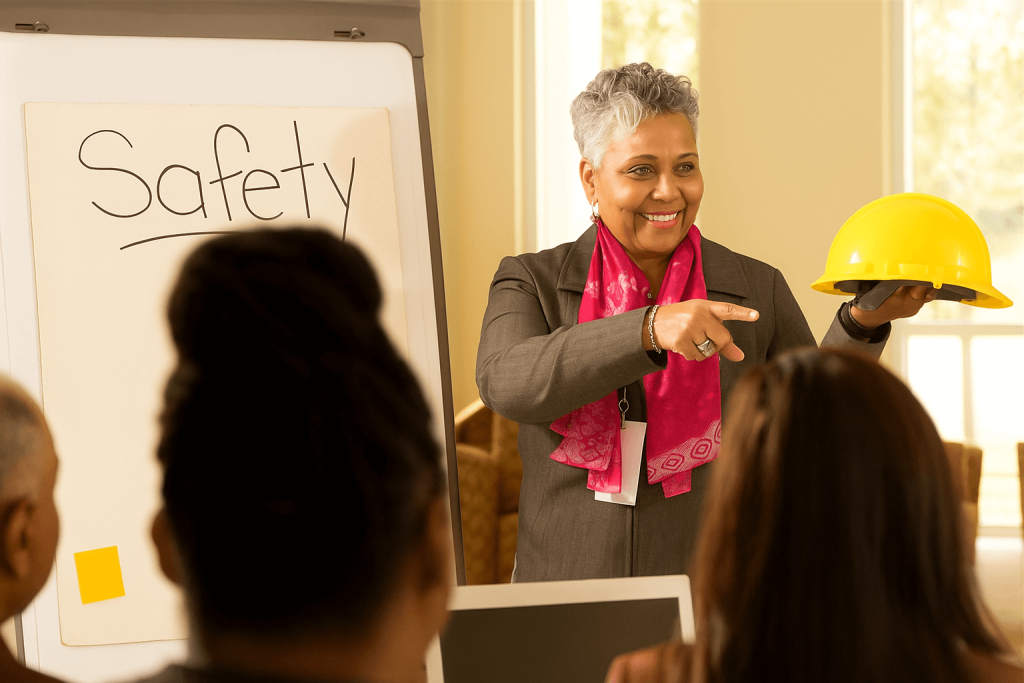
If your company seeks a path to lasting improvement, start by evaluating your current processes. Introduce structured systems that simplify reporting and enhance coordination. Offer consistent training and encourage employees to participate actively in safety discussions.
The right structure transforms uncertainty into control. Take action today to strengthen your review process. Build a safer, more reliable workplace where prevention, integrity, and efficiency guide every decision.