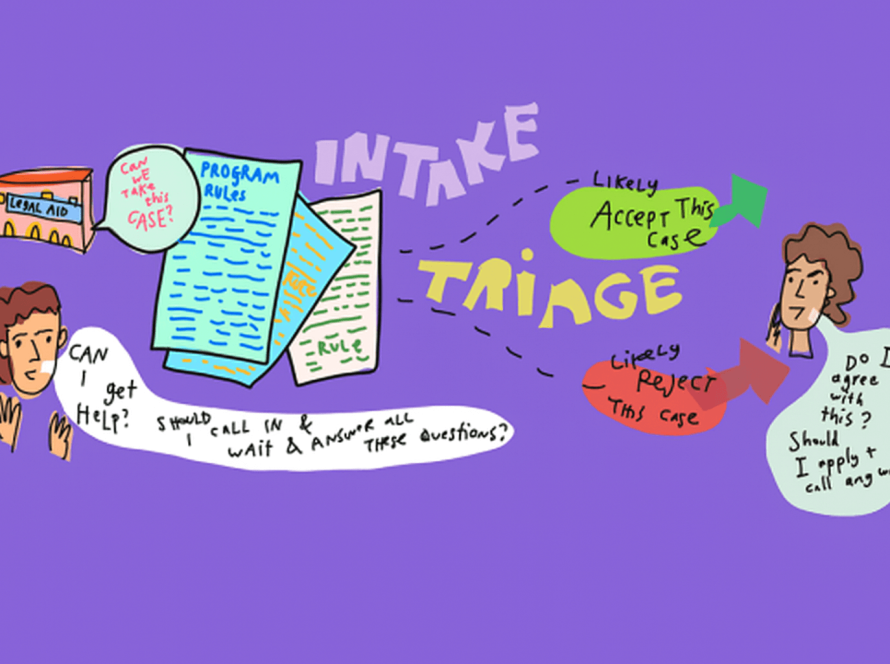
Immediate Response in Critical Claim Moments
Real Time Coordination for Time Sensitive Claims defines how modern case management succeeds. When urgent calls arrive, delay creates risk. Therefore, response speed shapes outcomes from the first contact.
PNCAi understands that early coordination protects opportunity. Each incoming inquiry carries potential value. However, without organized handling, that potential fades quickly. Because time matters, structured intake ensures nothing slips through.
Urgency demands clarity. Callers often feel overwhelmed. Consequently, communication must remain calm and direct. Representatives gather facts carefully while maintaining empathy. As a result, the first conversation sets a steady foundation.
Strong legal intake procedures guide this process. Clear scripts reduce confusion. Standardized data capture improves accuracy. Furthermore, documented details support smoother case review.
Real time tracking also supports transparency. Supervisors monitor interactions while teams manage follow ups efficiently. Therefore, accountability remains visible at every stage.
Prompt coordination prevents backlog. When tasks move quickly, cases progress without unnecessary delay. In addition, quick routing directs information to the right person immediately.
Because early moments carry weight, preparation becomes essential. Systems must support speed without sacrificing quality. Therefore, coordination blends discipline with responsiveness.
Each call represents more than information. It represents trust. When organizations respond with focus and control, confidence grows. Over time, consistent early handling builds reputation and measurable results.
Real time coordination does not rely on urgency alone. Instead, it relies on readiness. Through steady oversight and structured intake, time sensitive claims receive the attention they deserve.
Structured Support Systems and Coordinated Solutions
Reliable coordination depends on strong solutions that align with case demands. Clear processes create consistency. Therefore, support teams operate with direction rather than guesswork.

Every law firm requires dependable intake management. While attorneys focus on strategy, intake teams manage communication flow. Consequently, responsibilities remain balanced and organized.
Organized support also improves efficiency. When systems reduce repetition, teams avoid wasted effort. In turn, productivity increases steadily. Clear documentation eliminates confusion and protects case accuracy.
Professional handling reflects broader legal services expectations. Clients expect responsiveness and transparency. Therefore, intake representatives must communicate clearly and respectfully.
Consistency across channels strengthens reputation. Phone conversations, email responses, and follow ups must remain aligned. As a result, clients experience steady professionalism.
Technology supports coordination as well. Integrated platforms connect tasks and timelines. Therefore, real time updates remain accessible to authorized teams.
Well designed workflows prevent delays. When information routes automatically, manual errors decrease. Consequently, case progression becomes smoother and more predictable.
Support also depends on clear reporting. Supervisors review metrics regularly. Because visibility remains high, improvements happen quickly.
Structured coordination does not complicate operations. Instead, it simplifies them. Through organized solutions and aligned communication, claims move forward confidently. Over time, disciplined systems protect both performance and reputation.
Strong support systems create measurable outcomes. They protect opportunity, preserve clarity, and sustain forward momentum in time sensitive situations.
Operational Clarity Through Data and Technology
Coordination improves when information flows smoothly. Therefore, reliable legal technology plays a central role in modern claim management.
Digital dashboards provide real time oversight. Managers track response times and case status instantly. Because visibility remains constant, delays receive immediate attention.
Secure platforms protect sensitive information. Data encryption and controlled access maintain confidentiality. Consequently, clients feel confident sharing personal details.
Integrated tools also strengthen client communication. Automated confirmations reassure callers that their information has been received. Meanwhile, reminders prevent missed follow ups.
Data driven evaluation guides improvement. Supervisors analyze call duration, resolution rates, and engagement quality. Therefore, strategy evolves based on measurable insight.
Clear analytics reveal performance patterns. When trends emerge, leaders adjust processes quickly. As a result, continuous refinement supports stronger outcomes.
Technology should enhance human interaction rather than replace it. Therefore, systems must remain intuitive and accessible. Representatives should access information without confusion.
Coordination also benefits from centralized documentation. Shared platforms eliminate scattered notes. Consequently, case histories remain complete and organized.
Operational clarity reduces uncertainty. Teams understand priorities clearly. Managers allocate resources wisely. Over time, disciplined oversight strengthens results.
Real time coordination depends on both technology and accountability. When digital tools support human expertise, claims move efficiently and responsibly.
Professional Development and Consistent Team Performance
Reliable results require strong development programs. Skill refinement ensures that representatives handle complex situations confidently.

Ongoing coaching strengthens communication skills. Representatives learn to ask precise questions and provide clear explanations. Consequently, callers feel understood and supported.
Structured development also improves listening ability. Active listening reduces misunderstanding. Therefore, information captured during intake remains accurate.
Performance review sessions encourage accountability. Supervisors share feedback constructively. As a result, improvement becomes continuous rather than occasional.
Preparation supports adaptability. Representatives encounter diverse claim scenarios daily. Because development remains ongoing, teams adjust calmly to new challenges.
Role play exercises simulate real situations. Through practice, representatives refine tone and clarity. Consequently, conversations remain professional under pressure.
Knowledge sharing builds collective strength. Teams discuss case patterns and refine best practices. Therefore, learning spreads across departments efficiently.
Clear expectations guide behavior. Representatives understand quality standards and measurable goals. Because accountability remains visible, consistency improves.
Professional development does not end after onboarding. Instead, it continues throughout performance cycles. Over time, disciplined learning protects reliability and enhances client trust.
Strong development culture supports long term performance. When teams receive structured guidance and clear feedback, coordination becomes sharper and more confident.
Aligned Partnerships and Forward Focused Coordination
Sustainable coordination depends on collaboration. Clear alignment between partners strengthens outcomes. Therefore, communication must remain open and purposeful.
PNCAi values transparency in every engagement. Shared objectives guide strategy. Because expectations stay defined, performance remains measurable.
Regular reporting supports clarity. Leaders review updates and discuss progress. Consequently, adjustments occur before minor issues escalate.
Collaboration encourages trust. When feedback flows freely, improvements follow naturally. Over time, steady dialogue deepens partnership strength.
Forward planning protects stability. Teams anticipate workload changes and adjust capacity accordingly. Therefore, responsiveness remains consistent.
Shared accountability drives performance. Each side understands responsibilities clearly. Because coordination remains mutual, results improve steadily.
Sustained success depends on reliability. When intake and claim handling operate seamlessly, confidence grows across organizations.
If your team values clarity, disciplined oversight, and measurable improvement, consider strengthening coordination through structured collaboration. Thoughtful alignment transforms urgent claim handling into dependable performance. When partners commit to consistent communication and proactive refinement, long term progress becomes achievable.