Emotional Intelligence in Legal Client Systems
The modern legal field demands more than precision; it requires understanding. Emotional intelligence allows professionals to interpret tone, urgency, and concern within each client interaction. In the age of artificial intelligence, the need for empathy becomes even more vital.
Legal intake systems now integrate emotional analysis tools that identify language patterns and sentiment. This combination helps human representatives respond with warmth, even when automation initiates the process. Emotional understanding ensures that logic remains humane, balancing speed with sincerity.
The Structure of Logic in Legal Operations
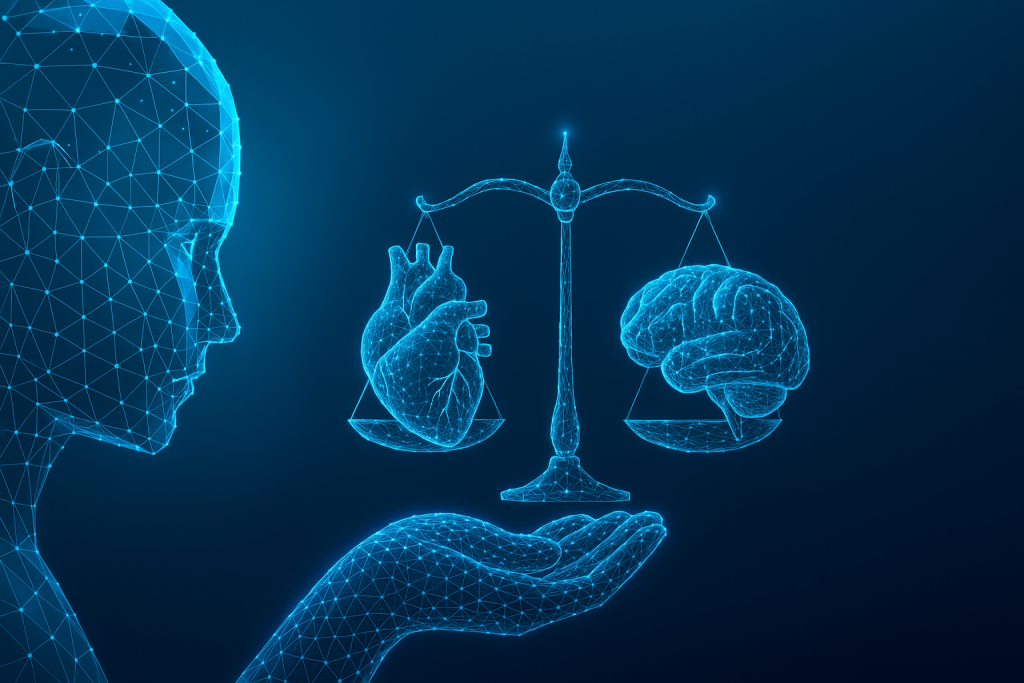
Logic forms the foundation of every legal system. It guides how cases are built, how evidence is organized, and how outcomes are interpreted. Yet, too much reliance on logic alone can make interactions mechanical. That is where empathy enters to refine the process.
Through verified intelligence, legal teams maintain precision without losing personal connection. Algorithms provide consistency, while professionals offer nuance. This dynamic creates operations that are fair, consistent, and humane. The structure of logic keeps decisions rational, and empathy ensures they remain ethical.
What Makes Empathy a Strength in Legal Intake
Every client begins their journey through a conversation. Legal intake defines that first impression. While AI tools streamline data collection, empathy gives meaning to each response. The blend of structured logic and emotional understanding transforms intake into a trusted exchange.
When systems read tone and language accurately, responses become more tailored. Clients feel acknowledged rather than processed. Emotional awareness converts automation into engagement, reinforcing the human purpose of legal work. It ensures that efficiency does not overshadow compassion, and data becomes a reflection of understanding.
Digital Collaboration for Connected Legal Networks

Digital collaboration supports how legal teams share ideas, verify data, and manage ongoing cases. In modern practice, collaboration extends beyond messaging tools. It is now a blend of cloud systems, shared dashboards, and verified intelligence that tracks progress in real time.
Technology integration keeps updates synchronized across departments and jurisdictions. This system ensures accountability at every stage of communication. Digital collaboration does not remove the human element, it magnifies it. Professionals engage in unified workflows where logic drives structure and empathy guides tone. The outcome is not only better coordination but more meaningful teamwork.
Data Accuracy as the Language of Trust
Trust is earned when data tells the truth. Data accuracy in legal operations ensures that facts remain consistent from intake to resolution. Without accuracy, even the most empathetic dialogue loses weight. Clients depend on firms that verify every word, figure, and timestamp.
Verified intelligence reinforces this by continuously auditing systems for errors or duplication. Every file stored, every note logged, is reviewed for consistency. The process builds transparent trust between clients and professionals. It proves that compassion is not just a feeling, it is a commitment backed by accuracy.
Professional Growth through Balanced Learning

The growth of a professional depends on balance. Legal experts trained under both technical and emotional frameworks can adapt to diverse client needs. Training modules that combine technology with communication enhance professional development and readiness for digital transitions.
Empathy training strengthens confidence, while logical instruction builds efficiency. Each legal representative learns how to combine automation with awareness. PNCAi emphasizes this dual growth by supporting firms that pursue ethical technology integration. The outcome is a workforce prepared for the next era of verified intelligence.
The Future Alignment of Mind and Machine
Law is not purely analytical; it is a profession of trust and emotion. Balancing logic with empathy ensures that systems remain human even when technology accelerates their pace. Verified intelligence allows accuracy to coexist with care.
The next phase of legal innovation lies not in more automation but in meaningful connection. Digital collaboration enhances service quality, and data accuracy secures it. When empathy leads decision-making, AI becomes an assistant rather than a replacement.
It is time to redefine how legal operations interact with both clients and colleagues. The future belongs to networks where empathy and logic speak the same language. Engage with intelligent solutions that make technology thoughtful and the human mind even more powerful.