Real Conversations And Human Response In Intake Situations
Not every intake starts clearly. In many cases, people reach out without knowing how to explain what happened. They pause. They repeat details. Sometimes, they leave out important parts without realizing it.
This is where human interaction stands out. A person can listen beyond words. They can notice hesitation. They can adjust how they respond based on tone. Because of this, the conversation becomes more natural and more complete.
PNCAi recognizes that intake is not just about collecting answers. It is about understanding what the client is trying to say, even when it is not clearly expressed. This level of awareness cannot always be replicated by automated systems.
At the same time, expectations in legal intake continue to grow. Clients want fast responses, but they also want clarity. They want someone who understands their situation, not just someone who follows a script.
Because of this, human interaction remains essential. It brings flexibility into the process. It allows intake to adapt in real time. It also improves how information is gathered from the beginning.
While AI helps structure conversations, human response gives them meaning. This difference becomes clear in real situations where context matters more than speed.
Structured Support Systems And Services Support Role
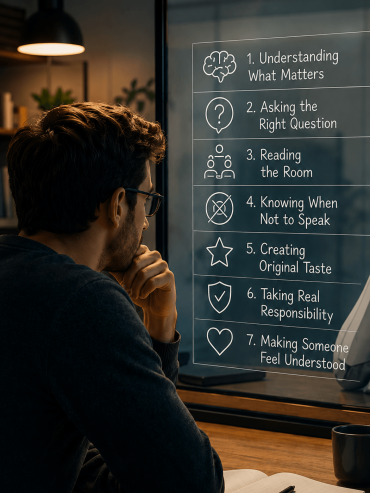
Even though human interaction is critical, systems still play an important role. Without them, intake can become inconsistent. Some inquiries may be handled well, while others may not.
This is why structured services are necessary. They create a consistent approach to intake. They ensure that key information is captured. They also help manage high volumes of inquiries.
At the same time, these systems improve efficiency. They allow firms to respond quickly. They reduce delays. They also make it easier to organize information across teams.
However, systems alone are not enough. They follow patterns, but real situations do not always follow patterns. Because of this, relying only on automation creates gaps.
For example, a system may ask the right questions, but it may not recognize when something is missing. It may not know when to ask a follow up question that could change the direction of a case.
Because of this, structured systems should support human interaction, not replace it. They provide a foundation, but they do not complete the process.
When used correctly, systems and human input work together. This creates a more balanced intake process that handles both speed and understanding.
Judgment Calls And Situational Awareness In Real Cases
Human judgment plays a key role in intake. It allows professionals to make decisions based on real situations, not just predefined rules. This becomes especially important when details are unclear.
Clients often describe events in different ways. Some provide too much information, while others provide too little. Because of this, intake requires interpretation. It requires someone who can identify what matters most.
Strong client communication helps bridge this gap. When clients feel comfortable, they share more accurate details. This improves the overall quality of intake.
At the same time, human professionals can adjust their approach. They can change the direction of the conversation. They can clarify confusion. This flexibility improves outcomes.
AI, on the other hand, follows logic. It works best with clear input. When information is incomplete, it may continue without addressing the gap. This creates limitations.
Because of this, human involvement remains necessary. It ensures that intake captures both information and context. It also supports better decision making early in the process.
Understanding this difference highlights where humans still lead. They bring awareness, adaptability, and judgment into intake situations that are not always predictable.
Skill Development And Training Guidance In Intake Teams

Strong intake does not happen by chance. It requires preparation. It also requires continuous improvement. This is where guidance becomes important.
Professionals need to understand how to manage different types of conversations. They need to know when to ask questions and how to ask them. This improves both clarity and accuracy.
At the same time, communication skills play a major role. Clients expect clear and simple responses. They do not want complicated explanations. Because of this, simplicity becomes an advantage.
In addition, well developed teams improve client retention. When clients feel understood, they are more likely to continue. This creates stronger long term relationships.
PNCAi takes this further by combining both human skill and AI support seamlessly. Instead of choosing one approach, it integrates both into a single system. AI handles initial responses, while trained professionals manage deeper interactions.
This balance removes the common weaknesses found in intake. It keeps speed while improving understanding. It also ensures that no detail is overlooked.
As a result, intake becomes more effective. It adapts to real situations while maintaining consistency.
Combined Approach And Future Direction In Intake Process
The future of intake is not about replacing people with AI. It is about using both in a way that improves results. Each brings different strengths, and together, they create a stronger process.
PNCAi demonstrates this by design. Instead of separating systems and people, it connects them. This creates a process that is both efficient and adaptable.
As a result, legal solutions improve. Information becomes more accurate. Communication becomes clearer. This supports better case development from the start.
At the same time, combining both approaches improves coordination. Teams can focus on what they do best. Systems handle repetitive tasks, while people manage complex interactions.
Over time, this creates a more reliable intake process. It responds to real situations while maintaining consistency. It also supports better outcomes across all stages.
The difference becomes clear in real situations. Connect with PNCAi to explore how combining human insight with intelligent systems can improve your intake process.