Real Case Intake Pressure And First Interaction Reality
Every intake begins with uncertainty. A person reaches out, unsure of what to say or how to explain what happened. Because of this, the first interaction carries weight. It shapes how the situation moves forward.
PNCAi understands that intake is not only about collecting answers. It is about guiding a conversation that may not be clear from the start. People often pause. They repeat themselves. They leave out key details. This is normal, especially in real situations.
At the same time, expectations have changed. Clients want fast responses. They want clarity right away. Because of this, many firms now rely on legal technology to support early communication. These tools respond instantly and keep conversations moving.
However, speed does not always mean understanding. A system can ask questions, but it may not always interpret answers correctly. For example, a person may describe something in a way that lacks context. Without follow up, important details may remain unclear.
Because of this, the intake process becomes more than a checklist. It requires attention, timing, and awareness. These elements shape how information is gathered and understood.
As intake continues to evolve, the real question becomes clear. Can AI truly handle the same complexity that human interaction naturally manages in real case situations?
System Driven Support And Services Solutions In Intake Flow
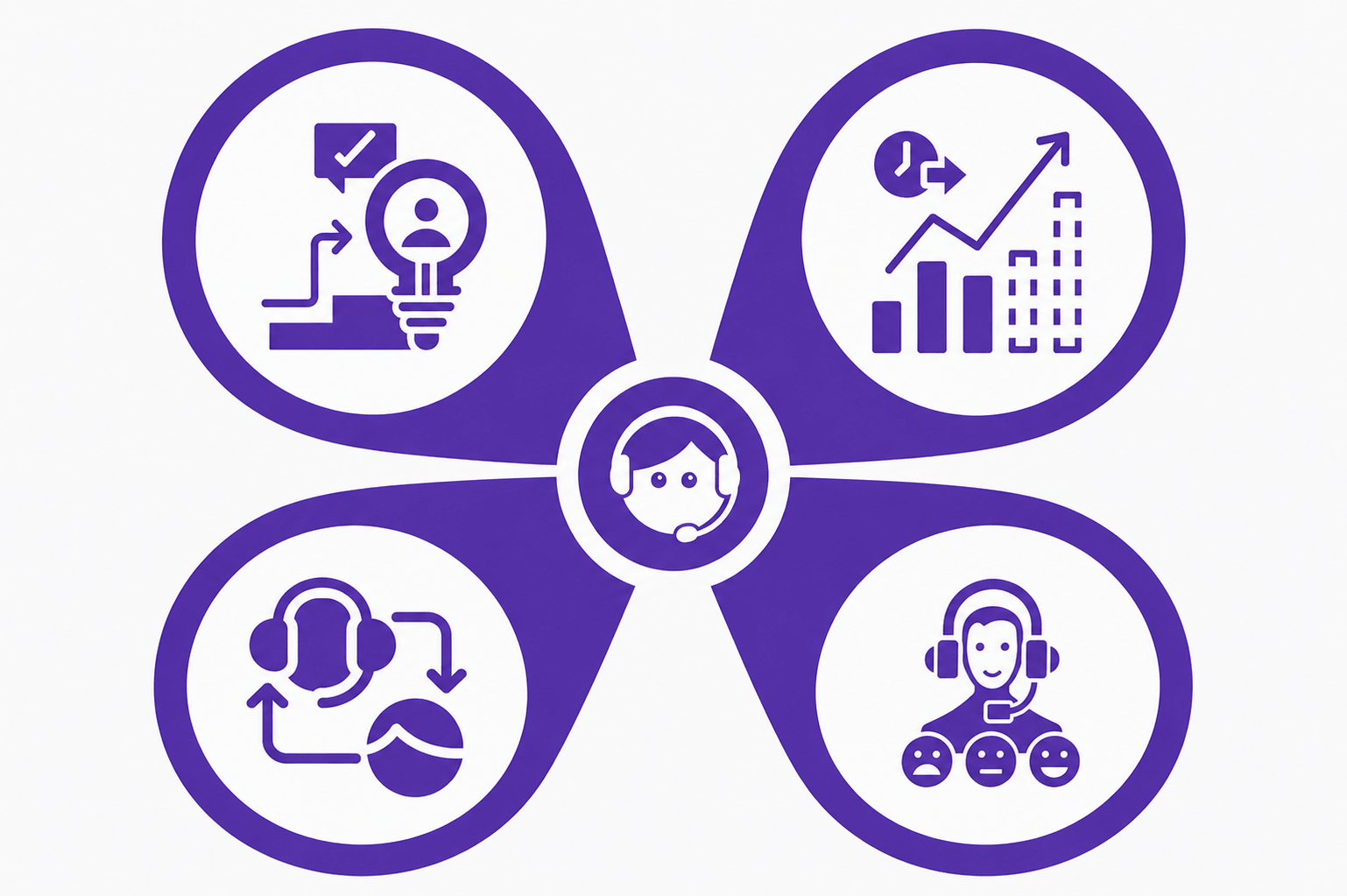
Modern intake depends on structure. Without it, responses become inconsistent. Some inquiries are handled well, while others are missed. Because of this, firms rely on solutions that guide every step.
These systems create consistency. They ensure that each inquiry receives attention. They also help manage volume, which continues to increase. As a result, intake becomes more efficient and easier to control.
At the same time, automation improves speed. AI tools respond immediately. They collect details without delay. Because of this, firms can handle more cases without increasing pressure on internal teams. This directly improves efficiency.
However, structured systems follow patterns. They rely on predefined logic. While this works for simple cases, real situations often fall outside these patterns. When this happens, gaps appear.
For example, a system may record information correctly, but it may not recognize missing context. This creates a limitation. The process moves forward, but not always with complete understanding.
Because of this, system driven intake works best as a foundation, not a full solution. It supports the process, but it does not replace deeper interpretation.
Understanding this difference is important. It shows where systems perform well and where they begin to struggle. This creates a clear boundary between automation and real world interaction.
Real Situations Complexity And Limits Of Pure Automation
Real cases are rarely simple. Each situation brings different details. Some are straightforward, while others require deeper understanding. Because of this, intake must adapt.
AI performs well with structured input. It processes answers quickly. It follows logic without error. However, it does not always understand nuance. This becomes clear when situations involve unclear or emotional responses.
At the same time, strong client communication plays a major role in intake quality. People may feel uncertain or stressed. They may need reassurance before sharing details. A system cannot always respond to these emotions effectively.
In addition, intake involves interpretation. A client may describe an event in a way that lacks clarity. Without follow up, key information may remain incomplete. This affects the entire process later.
Automation also depends on accuracy at the start. If incorrect data is entered, the system continues based on that input. This creates risk. Errors may not be noticed until later stages.
Because of this, relying only on automation creates limitations. It improves speed but may reduce depth. It captures information but may not fully understand it.
This is where the difference becomes clear. AI supports intake, but it does not fully replace human awareness in real case situations.
Human Insight Development And Training Guidance Advantage

Human interaction brings flexibility. It allows intake to adjust based on real conversation. People recognize hesitation. They ask better questions. They clarify unclear responses. Because of this, they provide depth that systems cannot fully match.
Strong development supports this ability. Intake professionals learn how to guide conversations effectively. They understand when to ask follow up questions. They also know how to create clarity without overwhelming the client.
At the same time, human interaction improves trust. Clients feel heard when someone listens carefully. They become more comfortable sharing details. This leads to more accurate information.
In addition, human insight supports long term outcomes. It ensures that intake captures not only data but also context. This improves how cases develop later.
However, relying only on human input can create challenges. Volume increases can slow response times. Delays affect client experience. Because of this, balance becomes necessary.
This is where PNCAi stands out. Instead of choosing between AI and people, it combines both seamlessly. AI handles initial responses and volume, while trained professionals guide complex conversations.
This approach removes the usual trade off. It keeps speed while adding understanding. It improves both accuracy and interaction quality.
Combined Intelligence Direction And Smarter Intake Evolution
The future of intake is not about replacement. It is about integration. AI and human input each solve different problems. Together, they create a stronger process.
PNCAi applies this approach by design. Instead of separating roles, it connects them. Systems handle repetitive tasks, while people focus on interpretation. This creates balance.
As a result, legal intake becomes more reliable. It captures accurate details while maintaining flexibility. This improves both early interaction and long term outcomes.
At the same time, this combined model supports better legal solutions. It reduces errors. It improves communication. It also strengthens how cases are developed from the start.
Firms that adopt this approach see measurable improvements. Response times remain fast. Information becomes more complete. Clients feel supported throughout the process.
Over time, this balance defines the next stage of intake. It moves beyond simple automation and toward smarter systems that adapt to real situations.
The right balance changes how intake works. Connect with PNCAi and explore how combining human insight with intelligent systems can improve real case outcomes.