Understanding the Foundation of Comprehensive AI Solutions
In today’s evolving digital environment, AI is no longer a single-function tool. It has become a layered system designed to support multiple stages of interaction, decision-making, and execution. This is where comprehensive AI solutions come into focus. They are not built to solve just one problem. Instead, they are structured to handle entire workflows from start to finish.
With PNCAi, this approach is reflected in how the platform is designed. Rather than isolating functions, the system connects processes into one continuous experience. From the first point of contact to final resolution, each step is supported by intelligent automation that works behind the scenes.
What makes these solutions comprehensive is their ability to adapt. They do not rely on fixed scripts or rigid pathways. Instead, they respond to input in real time, adjusting interactions based on context. This allows the system to maintain accuracy while still feeling natural to the user.
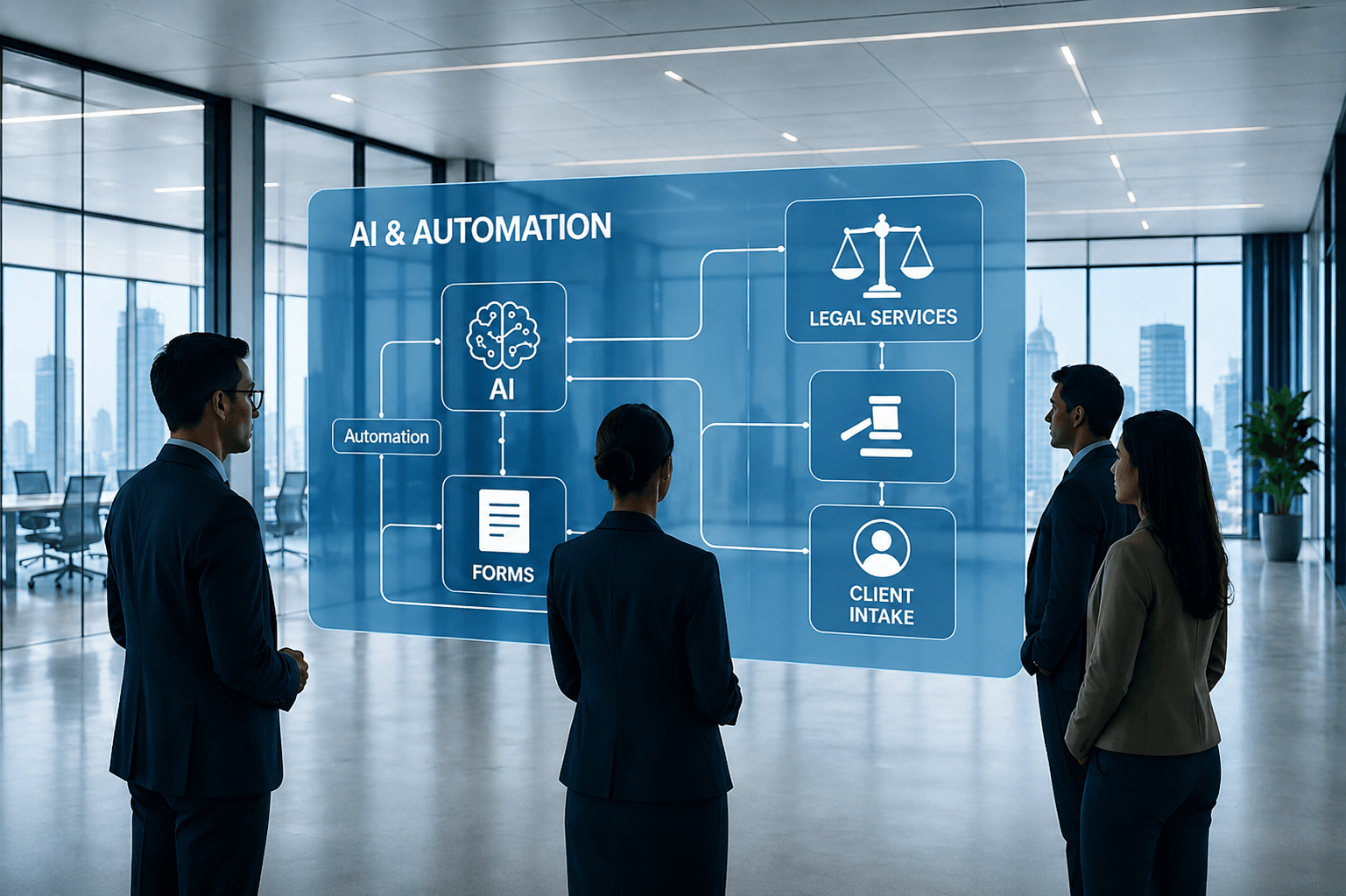
Another key aspect is consistency. When processes are automated within a structured framework, outcomes become more predictable. This reduces variation and ensures that every interaction meets a certain standard. Whether handling intake, communication, or data processing, the system delivers a uniform experience.
Comprehensive AI solutions also reduce dependency on manual effort. By automating repetitive tasks, they allow teams to focus on higher-level responsibilities. This shift not only improves efficiency but also enhances overall performance.
Understanding this foundation is important before exploring the individual components. Each element plays a role, but it is the integration of these elements that creates real impact.
How Advanced Services Drive System Efficiency
At the core of any comprehensive AI framework are the services that support its functionality. These services are not standalone features. They are interconnected components that work together to streamline processes and improve performance.
One example is automated intake handling. Instead of relying on manual data entry, the system captures and organizes information as it is received. This reduces errors and ensures that details are recorded accurately from the beginning.
Another important service is intelligent communication routing. Incoming interactions are analyzed and directed to the appropriate channel or response path. This minimizes delays and ensures that each interaction is handled efficiently.
There are also screening and qualification processes built into the system. These functions evaluate incoming data and determine the next steps based on predefined criteria. By doing this automatically, the system reduces the need for manual review while maintaining accuracy.
Data processing is another critical service. Information is not just collected but structured in a way that supports decision-making. This allows teams to access relevant details quickly without sorting through unorganized data.
These services work together to create a seamless workflow. Instead of separate steps that require manual coordination, everything operates within a unified system. This integration is what drives efficiency.
By reducing friction and improving flow, these services allow organizations to handle higher volumes without sacrificing quality. The result is a system that feels both fast and reliable, even under increased demand.
The Role of Continuous Training in AI Performance
While technology provides the framework, performance depends on how well the system evolves over time. This is where training becomes essential. Without ongoing refinement, even the most advanced AI solutions can lose effectiveness.

Training ensures that the system continues to improve based on real-world interactions. Each input, response, and outcome contributes to a growing dataset that helps refine future performance. This process allows the system to become more accurate and more responsive over time.
Another aspect of training involves adapting to new scenarios. As environments change, the system must be able to handle different types of interactions. Continuous training allows it to recognize patterns and adjust accordingly.
There is also a human element involved. Teams working alongside AI systems need to understand how to interpret outputs and provide feedback. This collaboration helps guide the system’s development and ensures that it remains aligned with operational goals.
Training also supports consistency. By reinforcing correct responses and refining processes, it reduces variability. This leads to more predictable outcomes and a stronger overall system.
In addition, training enhances scalability. As demand increases, a well-trained system can handle more interactions without losing performance. This makes it easier to expand operations without introducing inefficiencies.
Ultimately, training transforms AI from a static tool into a dynamic system. It ensures that performance does not remain fixed but continues to improve with use.
Expanding Possibilities Through Integrated AI Solutions
The impact of comprehensive AI solutions becomes clear when all elements work together. Services provide the structure, training drives improvement, and integration connects everything into a single system. This combination creates a powerful framework for managing complex processes.
Organizations that adopt this approach gain more than efficiency. They gain flexibility. The ability to adapt, scale, and respond to changing demands becomes part of the system itself. This allows operations to remain stable even as conditions evolve.
Another key benefit is clarity. When processes are streamlined, it becomes easier to understand how each step contributes to the overall outcome. This transparency supports better decision-making and reduces uncertainty.
Integrated AI solutions also create opportunities for growth. By removing bottlenecks and improving workflow, they allow organizations to handle increased demand without adding unnecessary complexity. This makes expansion more manageable.
At the same time, they enhance reliability. When systems are structured and continuously refined, they deliver consistent results. This consistency builds confidence and supports long-term success.
If you are looking to move beyond isolated tools and toward a fully connected system, now is the time to take the next step. Explore all our AI services and discover how integrated solutions can help you improve efficiency, adapt to change, and unlock new possibilities.