Early Verification and Stronger Claim Preparation Standards
Claim denials can create extra work for CPAP and sleep therapy operations. A missing detail, outdated information, or incomplete documentation may require staff to revisit a claim before it can move forward. Therefore, verification deserves attention before submission rather than only after a problem appears. Strong early checks can help teams find preventable issues while there is still time to address them.
PNCAi can support this type of workflow through AI assisted information handling and communication. The aim is not to promise that every claim will receive approval. Payers make coverage and payment decisions according to applicable requirements. Instead, smarter verification can help organizations prepare more complete information, identify gaps, and direct exceptions to people who can review them.
CPAP workflows involve several moving parts. Patient information may change. Coverage details may require confirmation. Documentation may need review, while resupply timing can depend on specific requirements. Consequently, staff often need reliable information before they can continue the process.
A CPAP resupply program can benefit from consistent checkpoints. Teams can verify key data before moving an order or claim to its next stage. Moreover, digital workflows can help organize information so staff do not have to search across scattered notes or repeat the same administrative work.
This is also where AI in healthcare call centers can support routine tasks. AI tools can help organize information, guide standard questions, or flag missing fields for staff attention. However, trained people should review exceptions and make decisions that require professional judgment.
The same principle applies to claim denial prevention. No system can remove every reason for a denial because many factors can influence payer decisions. Still, better preparation can reduce avoidable errors and make follow up easier.
For sleep therapy providers, the goal is straightforward. Verify what can be checked early, keep information current, and give staff a clearer view of unresolved items. As a result, teams can spend less time correcting preventable problems and more time managing the cases that genuinely need human attention.
Accurate Data and Smarter Checks Before Claim Submission
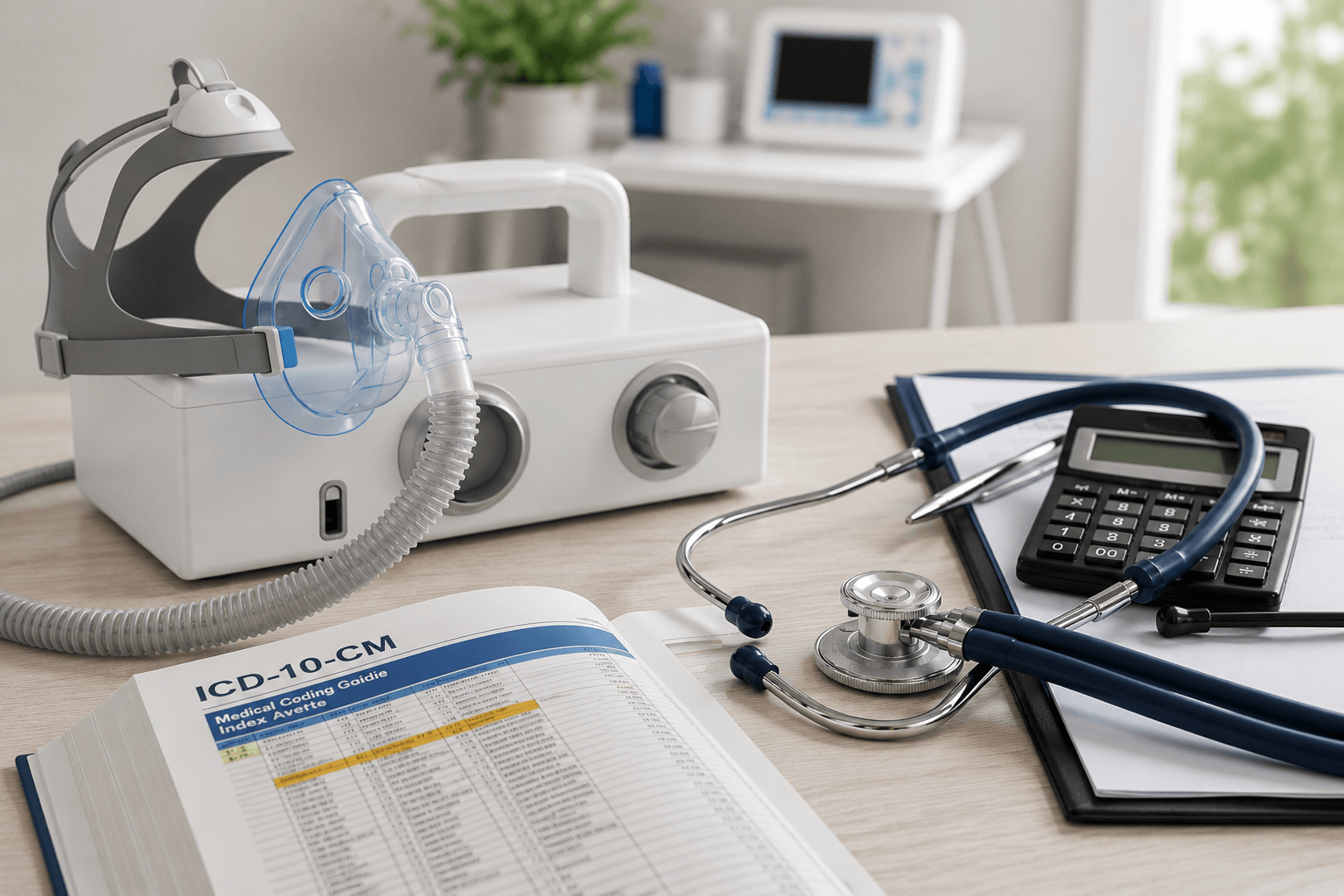
Verification becomes more valuable when it happens throughout the workflow. Instead of treating it as one final checkpoint, organizations can build checks into patient outreach, information updates, resupply activity, and claim preparation. In addition, each checkpoint can focus on the information needed for that specific stage.
Digital support capabilities services can help teams manage repetitive verification tasks while keeping staff involved where judgment is needed. For example, CPAP resupply automation may support routine reminders, data collection, workflow prompts, or status updates. These functions can reduce manual effort when organizations configure them around their own processes and payer requirements.
However, automation depends on reliable information. If a patient record contains outdated data, moving it faster does not solve the underlying problem. Therefore, teams need a process for identifying information that may require confirmation. A system might flag an incomplete field, while a staff member reviews the issue and determines the appropriate next action.
CPAP resupply software can also help centralize relevant workflow information. A clearer record can make it easier to see completed steps and unresolved items. Moreover, staff can spend less time switching between disconnected records when the tools they use share appropriate information.
Patient communication matters as well. CPAP patient outreach automation can assist with routine reminders or information requests when used responsibly. Yet communication should remain clear and give patients an appropriate way to reach a person when questions become more complex.
This combination can strengthen claim preparation. Automation handles predictable administrative work, while people manage exceptions and review details that require context. As a result, organizations can create a more controlled process before information reaches a payer.
The real value comes from prevention. Finding a missing field before submission is usually more useful than discovering it after a denial. Likewise, confirming information earlier can reduce unnecessary backtracking.
Smart verification therefore does not mean automatic approval. It means giving teams better opportunities to identify preventable problems, maintain cleaner information, and prepare claims with greater consistency before the payer begins its own review.
Staff Readiness and Clearer Responses Across Patient Workflows

Technology alone cannot create a reliable verification process. People still need to understand the workflow, recognize exceptions, and know when an issue requires escalation. Therefore, staff readiness should develop alongside automation rather than after new tools enter daily operations.
Practical instruction training can help employees understand how verification tools fit into their responsibilities. Teams should know which information the system checks, what a flag means, and what they should do when information remains incomplete. Moreover, clear guidance can prevent staff from treating automated output as a final decision.
This distinction becomes important in healthcare related operations. AI can support administrative work, but it should not make medical judgments that belong to qualified professionals. Likewise, a verification flag can prompt review without determining whether a payer must approve a claim.
Healthcare call center automation can support this balance by handling predictable communication and administrative steps. For instance, a workflow can guide standard questions or organize responses. Staff can then focus on unusual situations, unclear answers, and cases that need further investigation.
Patient engagement creates another important checkpoint. CPAP compliance outreach may involve communication connected with therapy or resupply processes, depending on an organization’s responsibilities and applicable requirements. Clear records of relevant outreach can help staff understand what communication has occurred and what follow up may still be needed.
Teams also need consistent escalation rules. If information conflicts, staff should know where to send the issue. If required documentation appears incomplete, they should know who can review it. Therefore, good technology should make unresolved work visible rather than hiding uncertainty behind an automated result.
Regular review can improve the process further. Teams can examine common reasons for rework and determine whether a workflow, communication step, or internal check needs adjustment. Over time, this creates useful feedback for both staff and system design.
The strongest model keeps responsibilities clear. Technology supports speed and consistency. People provide context, judgment, and oversight. Together, they can strengthen verification while keeping important healthcare and payer decisions with the appropriate professionals.
Better Verification and More Reliable Sleep Therapy Operations
Reducing preventable claim problems requires attention before submission, during communication, and throughout internal review. Organizations need current information, clear checkpoints, reliable records, and staff who understand how to respond when something does not match expectations. Therefore, smart verification should connect these activities rather than operate as an isolated final check.
The value of automation is strongest when it removes repetitive work without removing necessary oversight. A system can highlight missing information, support routine communication, and organize workflow status. Meanwhile, employees can investigate exceptions and handle situations that require context.
That balance matters because claim outcomes depend on more than internal efficiency. Coverage rules, documentation requirements, payer policies, patient circumstances, and other factors may affect a claim. For this reason, responsible technology should help improve preparation without promising guaranteed approval.
Better verification can still produce meaningful operational gains. Staff may discover incomplete information sooner. Patient outreach can become more organized. Teams may have a clearer view of pending tasks, while managers can identify recurring sources of rework. Consequently, organizations gain more opportunities to address avoidable issues before submission.
The larger goal is not simply faster claims. It is better information at the right moment. When teams know what has been verified and what still needs attention, they can make more informed decisions about the next administrative step.
For CPAP and sleep therapy operations, that approach can support a more dependable resupply and claim preparation process. It also keeps people central to situations where professional review matters.
Organizations should measure success carefully as well. Denial trends, incomplete records, repeated outreach, correction rates, and staff workload can reveal where processes need improvement. These measures can guide future changes without assuming that one technology will solve every challenge.
If your organization wants to explore smarter verification, responsible automation, and clearer patient communication for CPAP and sleep therapy workflows, contact us. A thoughtful combination of technology and human oversight can help reduce preventable errors, strengthen claim preparation, and create a more consistent process from initial verification through final submission.