Every Patient Experience Through Meaningful First Impressions Today
Every patient interaction begins with a conversation. Whether someone calls to schedule an appointment, ask about medical equipment, verify insurance, or request follow-up care, that first exchange often shapes the rest of the experience. A smooth intake process helps people feel understood before treatment even begins. Because expectations continue to grow, healthcare organizations must also find better ways to respond quickly while maintaining accuracy.
Many providers still depend on manual tasks that consume valuable time. Staff members often answer repetitive questions, search for missing information, or transfer callers between departments. As a result, delays increase, frustration grows, and important details may be overlooked. Although healthcare teams work hard every day, administrative demands can reduce the time available for meaningful patient conversations.
This is where PNCAi introduces a fresh approach. Rather than replacing healthcare professionals, intelligent technology supports them by handling repetitive tasks while people continue delivering empathy and expertise. Consequently, patients receive faster responses, while healthcare organizations improve consistency throughout the intake process.
A modern intake experience is no longer about answering the phone alone. Instead, it includes gathering accurate information, understanding patient needs, organizing requests, and directing every inquiry to the appropriate team. When each step works together, patients gain confidence from the beginning.
Healthcare organizations also benefit because better communication reduces unnecessary delays. Therefore, staff members spend less time correcting errors and more time helping patients. That positive balance improves daily operations while creating stronger relationships with every caller.
As expectations continue changing, providers need practical solutions instead of additional complexity. A thoughtful intake process creates trust, reduces uncertainty, and establishes a positive experience before care officially begins. Ultimately, those first conversations often become the strongest foundation for lasting patient satisfaction.
Clear Patient Journeys Through Better Everyday Communication Together
Patients rarely think about intake until something goes wrong. A long wait, repeated questions, or confusing instructions can quickly create unnecessary stress. However, a simple and organized process immediately creates reassurance. Therefore, every healthcare organization should evaluate how patients experience those first conversations.
Better communication begins with preparation. Staff members need accurate information, while patients expect timely answers. Instead of relying entirely on manual processes, organizations can simplify routine work through intelligent assistance. As a result, employees spend more time focusing on situations that require personal attention.
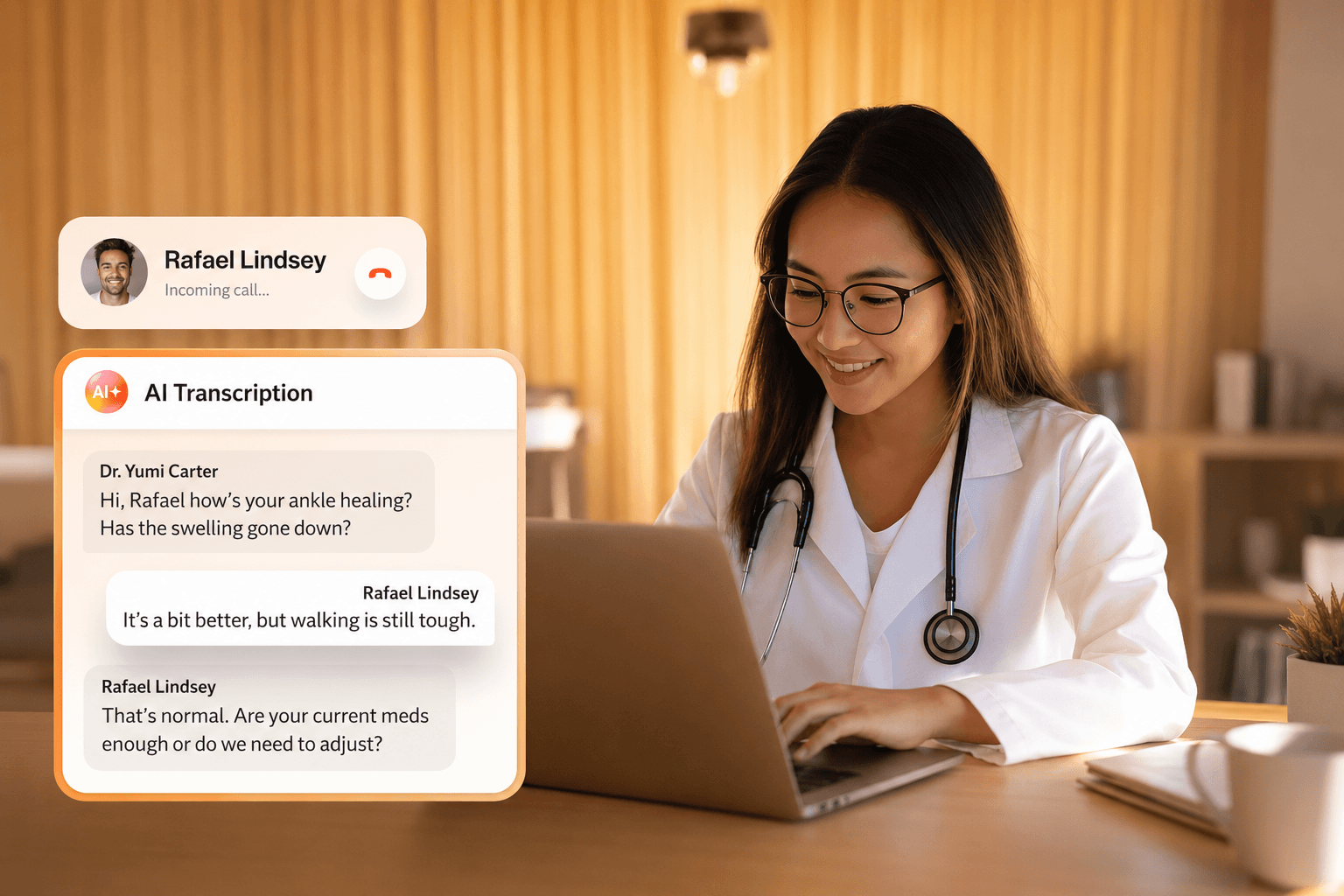
Modern healthcare also depends on reliable support that connects patients with the right department without unnecessary delays. Whether someone needs appointment scheduling, insurance verification, prescription assistance, or durable medical equipment guidance, every request deserves prompt attention. Likewise, organized workflows reduce confusion for both patients and healthcare teams.
Some organizations also manage legal intake when medical incidents involve documentation requests or related legal matters. Others regularly coordinate with providers offering legal services or specialized legal solutions connected to healthcare documentation. Although these situations vary, accurate communication remains equally important.
Efficiency grows when repetitive work becomes easier to manage. Information collected during the first interaction becomes available throughout the patient’s journey. Consequently, healthcare professionals avoid requesting the same details repeatedly, creating a smoother experience for everyone involved.
Meanwhile, secure digital tools also improve client communication by keeping updates organized across different channels. Patients appreciate knowing where their requests stand without making multiple follow-up calls. At the same time, staff members gain greater visibility into ongoing cases.
These improvements create measurable efficiency without sacrificing the personal connection patients value. Instead of feeling rushed, conversations become more focused because routine administrative work happens faster behind the scenes.
Ultimately, healthcare organizations succeed when communication remains simple, organized, and patient centered. Small improvements during intake often produce meaningful results across the entire patient experience.
Greater Confidence Through Knowledge Shared Across Every Interaction
Technology continues changing healthcare, yet successful organizations understand that people remain at the center of every decision. Digital tools should strengthen relationships instead of replacing them. Therefore, building confidence among employees remains just as important as introducing new systems.

Continuous education helps healthcare teams understand how intelligent solutions fit naturally into daily responsibilities. Rather than learning complicated systems, employees discover practical ways to improve conversations, organize information, and respond more confidently. Consequently, both staff members and patients benefit from smoother experiences.
A smarter intake process begins long before someone answers the phone. Intelligent systems collect details, recognize patient needs, organize requests, and route conversations to the correct destination. Meanwhile, healthcare professionals remain available whenever empathy, judgment, or specialized knowledge becomes necessary.
Organizations working alongside a law firm may also benefit from organized documentation and secure communication when healthcare records require careful coordination. Likewise, responsible use of legal technology helps maintain accuracy while protecting sensitive information throughout every interaction.
Although technology plays an important role, trust still depends on human understanding. Patients want reassurance that someone is listening. They appreciate clear explanations, timely responses, and dependable follow-up. Therefore, healthcare providers should view intelligent intake as a helpful partner instead of a replacement for compassionate care.
When every conversation begins with accurate information, healthcare teams gain confidence in every next step. Patients also experience fewer delays because requests reach the appropriate department more quickly. As a result, everyone spends less time navigating administrative challenges and more time focusing on better outcomes.
Healthcare continues evolving because patient expectations continue evolving as well. Organizations that embrace practical innovation today position themselves for stronger communication tomorrow while preserving the personal relationships that remain essential across every healthcare experience.
Stronger Partnerships Through Shared Goals And Lasting Patient Success
Every patient deserves an intake experience that feels welcoming, organized, and reassuring. Likewise, every healthcare organization deserves tools that simplify daily responsibilities without creating additional complexity. When communication improves, patients feel supported, employees gain confidence, and providers strengthen the quality of care they deliver.
Small improvements often create meaningful results. Better conversations reduce unnecessary delays. Organized information improves decision making. Faster responses strengthen trust. Furthermore, healthcare professionals gain more opportunities to focus on patients instead of repetitive administrative work.
PNCAi believes intelligent solutions should help people work better together rather than replace human interaction. That philosophy supports healthcare organizations seeking practical improvements that continue delivering value over time. As expectations continue changing, adaptable technology becomes an important part of delivering exceptional patient experiences.
If your organization wants to strengthen healthcare call center intake while creating smoother communication from the very first conversation, now is the right time to move forward. Contact or connect with PNCAi to explore all our AI services and discover practical solutions designed to support healthcare teams, improve patient experiences, and prepare your organization for the future with confidence.